When selecting an inflatable dock factory, choosing an ISO certified factory ensures consistent product quality, compliance with international safety standards, and reliable large-scale production. For B2B buyers, this certification minimizes supply chain risks, reduces defects, and guarantees long-term business value.
Introduction: Why ISO Certification Is Crucial for B2B Buyers
Key Advantages of Choosing an Inflatable Dock ISO Certified Factory
How ISO Impacts the Manufacturing Process in an Inflatable Dock Factory
Comparing Non-Certified vs. ISO Certified Inflatable Dock Factories
Case Study: How an Inflatable Dock ISO Certified Factory Helped a B2B Client
How to Verify if an Inflatable Dock Factory Is Truly ISO Certified
Where to Source an Inflatable Floating Dock from a Certified Partner
Conclusion: Why ISO Certification Should Guide Your Factory Choice
When I source from an inflatable dock factory, the first thing I check is whether they hold an ISO certification. Why? Because in the B2B world, I cannot afford delays, inconsistent product quality, or compliance risks. An inflatable dock ISO certified factory is not just a label—it’s proof that the supplier follows internationally recognized standards for safety, durability, and quality control.
From a buyer’s perspective, ISO certification reduces uncertainty. It assures me that the inflatable docks I order—whether for marina projects, marine construction, or large-scale commercial use—will perform reliably, pass compliance checks, and arrive on time. In short, certification is not a nice-to-have; it’s a safeguard against costly supply chain issues and client dissatisfaction.
When I evaluate an inflatable dock factory, I need more than just a good-looking catalog. ISO certification gives me a clear signal that the factory is committed to structured processes, traceability, and accountability. Let’s break down what that really means.
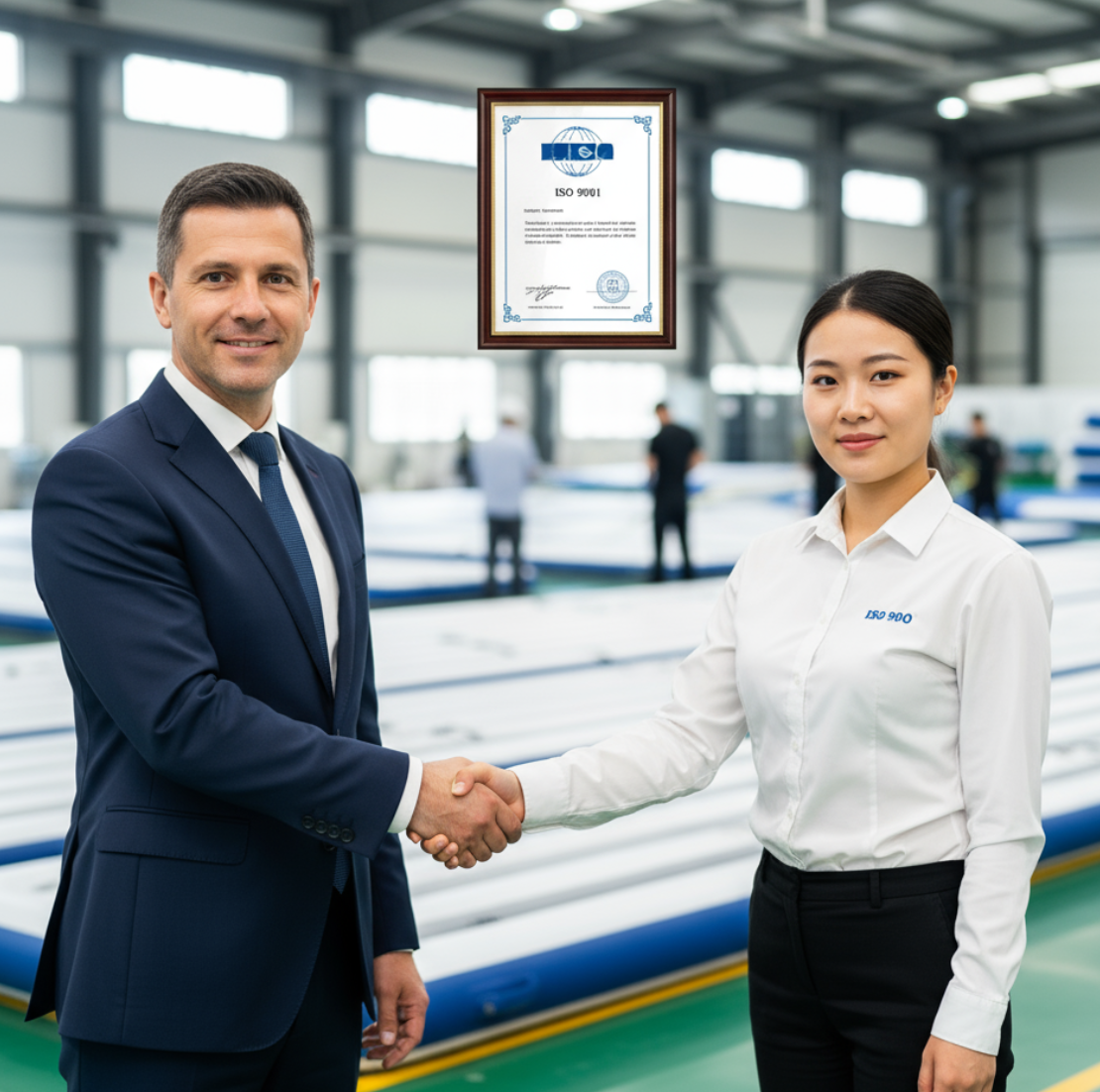
ISO (International Organization for Standardization) is a global body that develops quality and safety standards across industries. For an inflatable dock factory, the most relevant certifications often include ISO 9001 for quality management and ISO 14001 for environmental management. These certifications aren’t easy to get; they require consistent compliance with documented processes, employee training, and periodic audits.
When I see ISO on a supplier’s profile, I know they’ve gone through a rigorous approval process—this gives me confidence as a B2B buyer investing in large-scale orders.
ISO certification is more than paperwork. For inflatable docks, it ensures:
Material Quality: Factories must source raw materials that meet international standards for strength, UV resistance, and air retention.
Process Control: Every stage—cutting, welding, and pressure testing—follows documented guidelines.
Safety Compliance: Products must align with safety standards, ensuring they’re safe for marine use and withstand real-world conditions.
Without ISO, a factory may cut corners, leading to inconsistent performance, shorter product lifespan, and possible safety failures. For me as a buyer, that’s unacceptable.
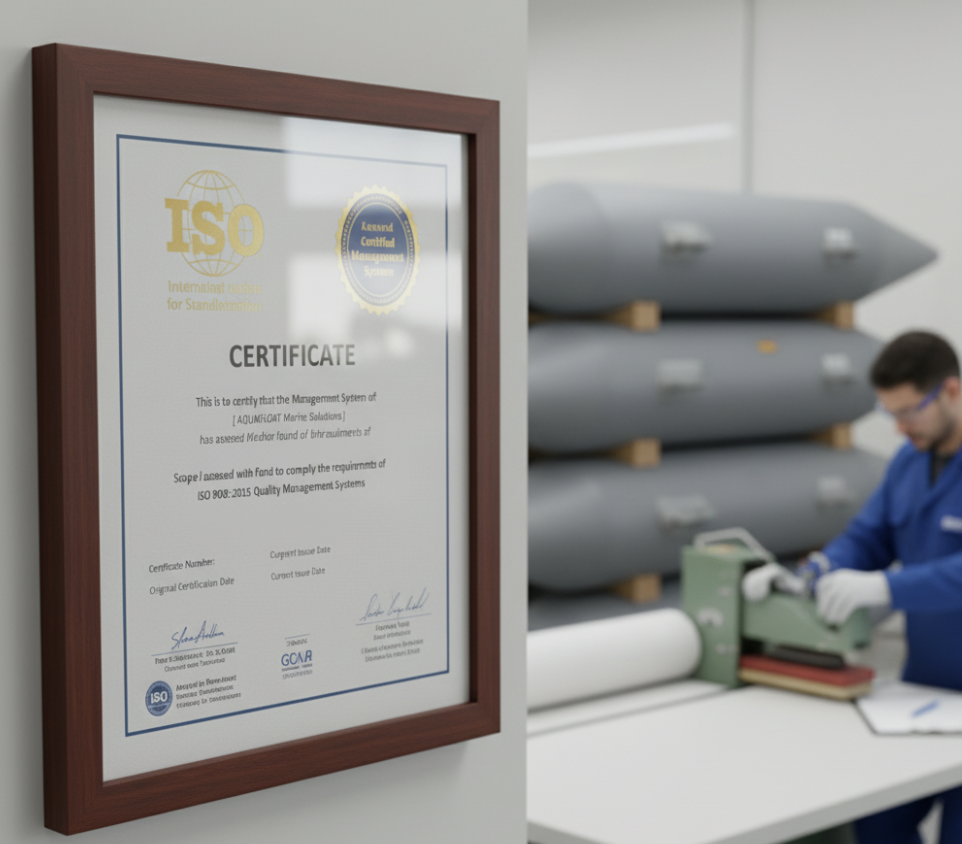
When I make bulk purchasing decisions, I’m not just buying a product — I’m investing in a supplier relationship. Choosing an inflatable dock ISO certified factory gives me a set of tangible advantages that directly impact my business outcomes.
In my experience, consistency is one of the most critical factors in B2B supply. With ISO certification, I know each inflatable dock will meet the same durability and performance standards. This reduces product returns, protects my brand reputation, and ensures I deliver reliable solutions to my end clients.
ISO certified factories are required to document processes and maintain reliable production capacity. That means fewer unexpected delays, better inventory planning, and the ability to scale up quickly when I place large orders. For time-sensitive marine projects, this reliability is a major win.
As my business expands into international markets, compliance becomes non-negotiable. An ISO certified partner ensures the inflatable docks I source already meet the necessary safety and environmental regulations. This saves me the hassle of dealing with customs issues, product recalls, or failing safety inspections.
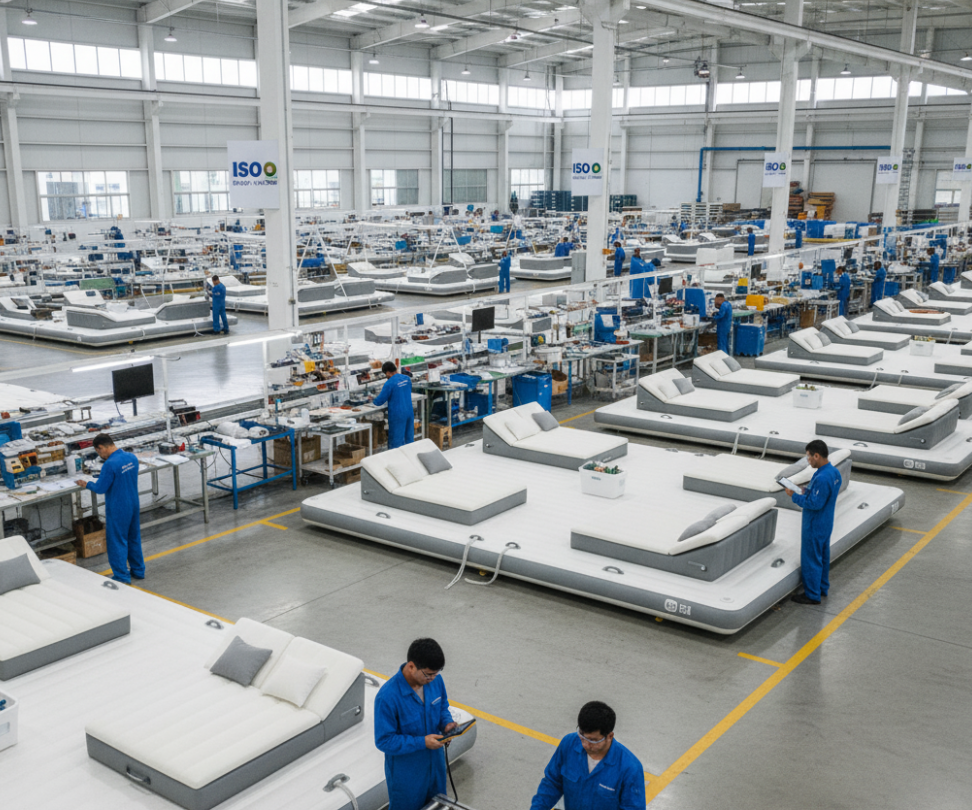
When I visit an inflatable dock factory that’s ISO certified, I notice an immediate difference in how the production floor is organized and managed. Certification doesn’t just sit in a framed certificate on the wall — it shapes the way every inflatable dock is designed, built, and inspected.
One of the first things I look for is the quality of materials. ISO-certified factories document their sourcing process, which means PVC fabrics, drop-stitch cores, and reinforcement layers all meet strict international standards. They also conduct regular tensile strength and UV resistance tests to guarantee long-term performance in marine environments.
In a non-certified facility, I often see variations in welding or bonding techniques. But in an inflatable dock ISO certified factory, every step is standardized. From high-frequency welding machines to pressure calibration, the process is monitored and recorded. This reduces defects and ensures that even in a bulk order of hundreds of docks, each one performs exactly as expected.
Before shipment, ISO-certified factories carry out multi-stage inspections. This includes:
Air Pressure Tests to check leak resistance over 24–48 hours.
Visual Inspections for seams, handles, and ladders.
Load Testing to simulate real-world weight-bearing capacity.
For me as a buyer, this level of quality assurance is invaluable. It lowers the risk of complaints from end users and minimizes the hidden costs of replacements or warranty claims.
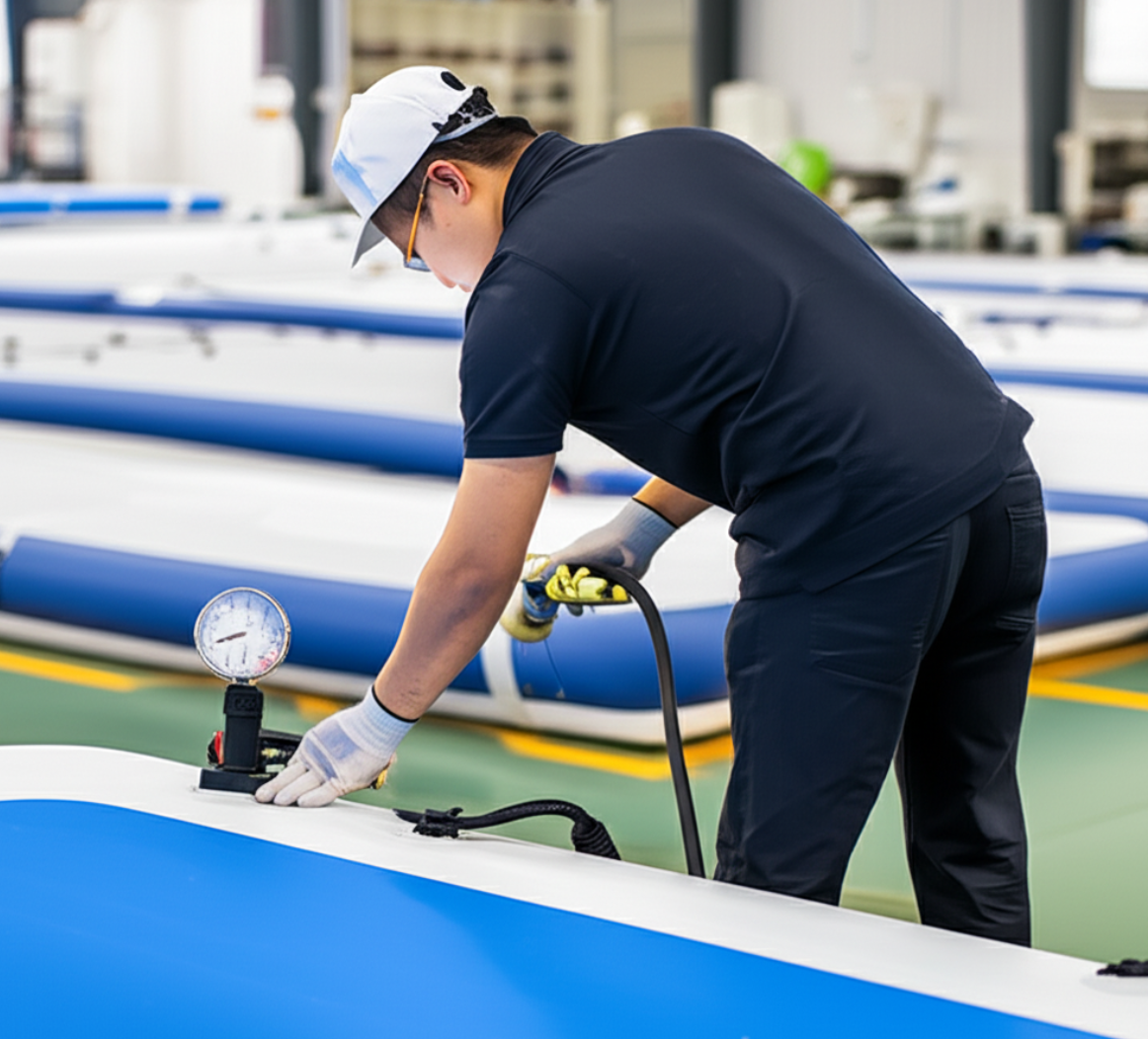
As a B2B buyer, I’ve learned that not all suppliers are created equal. Choosing an inflatable dock ISO certified factory is about more than compliance — it’s about building a stable and profitable supply chain.
When I place large orders, I need assurance that quality won’t fluctuate from batch to batch. ISO-certified partners invest in repeatable processes, which means fewer defective products and lower return rates. Over time, this consistency saves me money and strengthens my client relationships.
In cross-border business, risks multiply — customs delays, compliance failures, and safety certification gaps can quickly derail a project. By sourcing from an ISO certified inflatable dock factory, I minimize these risks because the products already meet recognized global standards. This makes international transactions smoother and lowers my exposure to penalties or legal disputes.
My clients, investors, and business partners expect me to deliver safe, durable, and compliant products. When I partner with an ISO certified supplier, I can confidently showcase the certification as proof of quality assurance. This transparency builds credibility and strengthens trust across the entire value chain.
When I weigh supplier options, I always compare the hidden costs of working with a non-certified partner against the long-term benefits of choosing an inflatable dock ISO certified factory. The differences are stark.
At first glance, non-certified factories often offer lower prices. But I’ve learned the hard way that cost savings on paper can turn into expenses later — from product failures to replacement costs. With ISO-certified factories, I may pay slightly more upfront, but I’m buying consistency, compliance, and peace of mind.
Working with non-certified suppliers exposes me to risks like:
High Defect Rates: Leading to increased returns and warranty claims.
Inconsistent Production: Variations in quality between batches.
Compliance Failures: Docks rejected at customs or failing safety checks.
Project Delays: Rework and replacements slowing down client delivery.
In contrast, an ISO certified partner helps me avoid these pitfalls, ensuring my business reputation stays intact and my operations run smoothly.

I once worked with a marine equipment distributor who needed over 300 custom inflatable docks for a government marina project. Initially, they considered a cheaper, non-certified supplier. But after testing the first samples, the docks showed inconsistent seam welding and air leaks within weeks. The project was at risk of delay.
That’s when they switched to an inflatable dock ISO certified factory. The difference was immediate:
Standardized Production: Every dock passed 48-hour pressure tests.
Reliable Delivery: Orders were shipped on schedule without unexpected delays.
Compliance Ready: The docks met all local safety and environmental requirements, clearing customs smoothly.
By choosing a certified partner, the distributor avoided costly rework, protected their client relationship, and completed the project on time. In the end, the small premium paid for ISO-certified docks was negligible compared to the potential losses of project failure.
This case taught me that certification is not just a box to tick — it’s a business safeguard that protects both revenue and reputation.
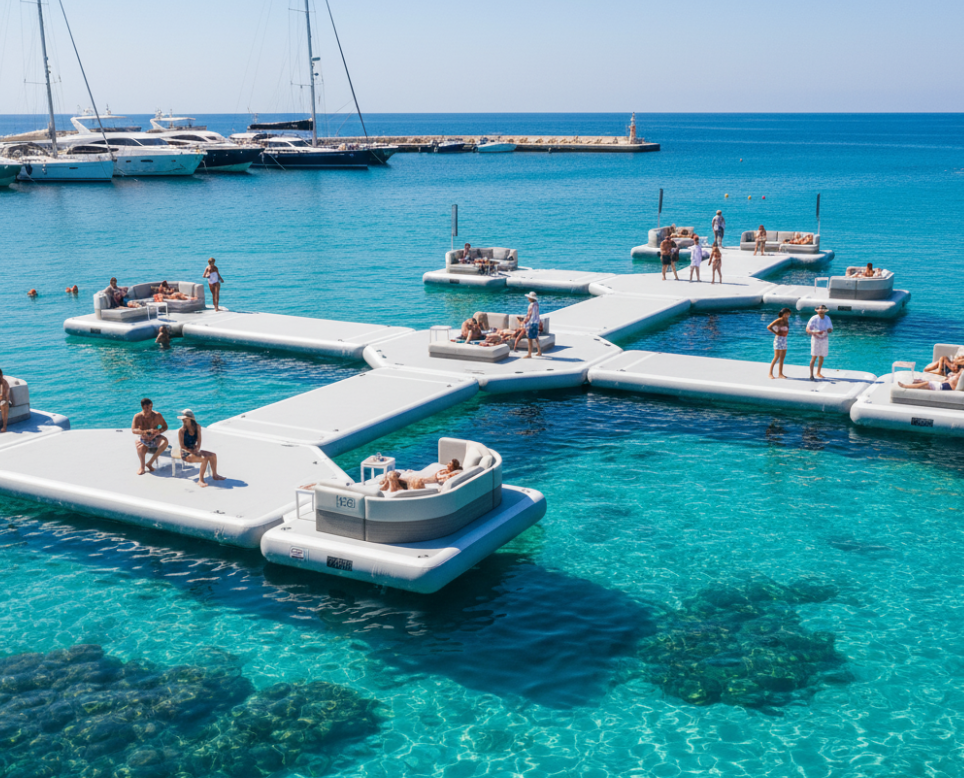
One lesson I’ve learned in global sourcing is that not every factory claiming “ISO certified” is telling the full truth. As a B2B buyer, I always verify before committing to large contracts with an inflatable dock factory. Here’s how I do it.
Legitimate ISO certificates come with a unique registration number. I always ask suppliers to share this document and then cross-check it against the official ISO database or the issuing certification body’s website. If a supplier hesitates, that’s a red flag.
For high-volume projects, I either conduct an in-person audit or hire a third-party inspection company. A real inflatable dock ISO certified factory will welcome audits because it demonstrates their transparency. During these visits, I confirm production processes, quality checks, and whether ISO practices are genuinely in place—not just on paper.
ISO certification should reflect across a factory’s operations: training manuals, quality control logs, and inspection reports. When documents are consistent and processes align, I know the supplier takes certification seriously.
Verifying ISO certification isn’t about mistrust — it’s about risk management. By taking these steps, I ensure my supplier is as reliable as they claim to be, protecting my business from costly surprises.
When I look for a reliable sourcing partner, I don’t just focus on price — I prioritize certification and proven manufacturing standards. That’s why I always recommend working with an inflatable dock ISO certified factory that has the capacity, transparency, and compliance needed for long-term B2B success.
If you’re searching for a trusted supplier, you can explore this inflatable floating dock option. Partnering with a certified manufacturer not only gives you durable, marine-grade products but also reduces your supply chain risks.
For bulk buyers, sourcing from a certified partner means you’ll have fewer warranty claims, faster project delivery, and stronger credibility with your end customers. It’s a smarter investment that pays off in the long run.
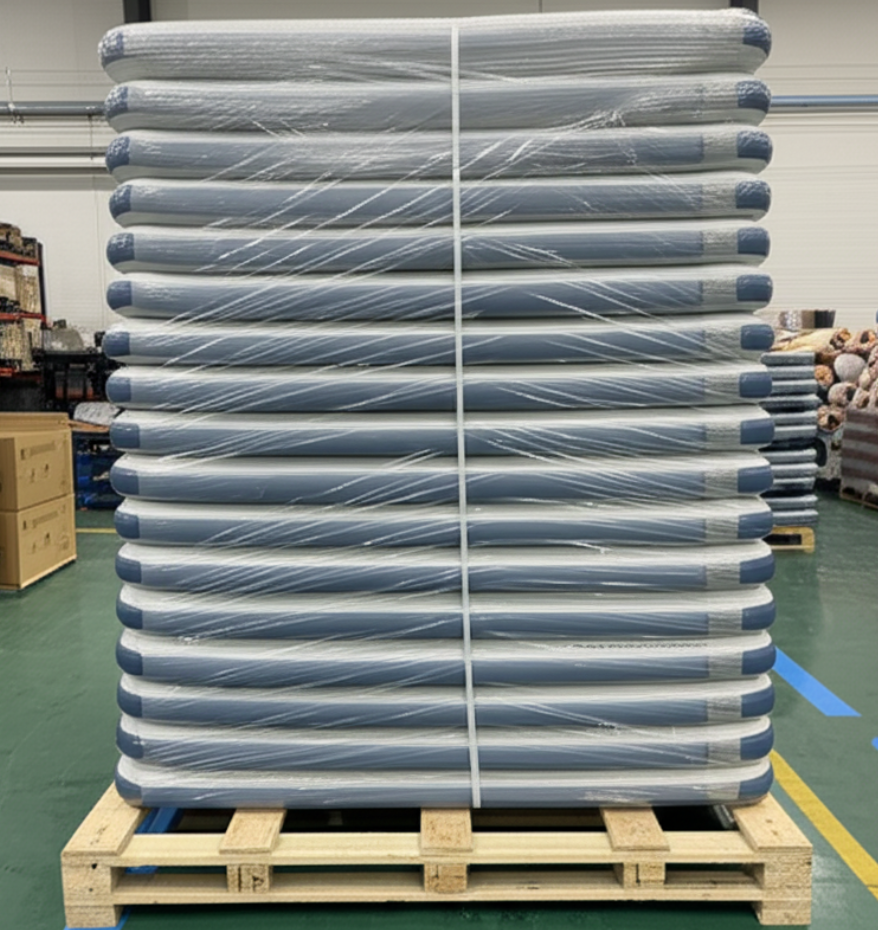
After years of working with suppliers worldwide, I’ve realized that choosing an inflatable dock ISO certified factory is not just a smart move — it’s essential for long-term business success. Certification ensures that every inflatable dock I purchase is built with consistent quality, compliant with global safety standards, and backed by reliable production processes.
For B2B buyers like me, this translates into fewer risks, smoother international trade, and stronger customer trust. While non-certified factories may offer lower prices upfront, the hidden costs of defects, delays, and compliance failures can far outweigh the savings.
At the end of the day, my reputation depends on the products I deliver. By partnering with an ISO certified inflatable dock manufacturer, I’m not only protecting my business but also setting myself up for scalable growth in competitive global markets.
Q1: What does ISO certification guarantee for inflatable docks?
ISO certification ensures consistent product quality, adherence to international safety standards, and a reliable manufacturing process. For B2B buyers, it reduces defects, delays, and compliance issues.
Q2: Is ISO certification necessary for all suppliers?
Not all suppliers are certified, but for large-scale or international projects, working with an inflatable dock ISO certified factory is highly recommended. It minimizes risks and ensures long-term business value.
Q3: How can I confirm a factory’s ISO certification?
Request the certificate number, verify it with the issuing body, and conduct supplier audits or site visits to ensure their processes align with ISO standards.
Q4: Do ISO certified factories cost more?
They may have a slightly higher upfront cost, but the savings in reduced defects, warranty claims, and project delays usually outweigh the initial investment.
Q5: What industries require inflatable docks to be ISO compliant?
Marine construction, marina operations, water sports facilities, and government projects often require ISO compliance to meet safety and regulatory standards.
Q6: Where can I source a certified inflatable dock?
You can explore this inflatable floating dock from a certified partner, ensuring quality, compliance, and reliable bulk supply.


![What Is an Air Track in Gymnastics? [Complete Guide]](http://ueeshop.ly200-cdn.com/u_file/UPBF/UPBF509/2605/13/photo/WhatIsanAirTrackinGymnastics.png)


