Custom size inflatable platforms give B2B buyers flexibility to meet specific project needs—whether for marinas, resorts, events, or industrial use. Choosing the right inflatable platform supplier or inflatable platform custom size supplier ensures durability, safety, and cost efficiency. This guide covers what buyers should know, from design options and material quality to bulk order considerations and long-term ROI.
When I speak with B2B buyers across industries, one trend stands out: inflatable platforms are no longer just for leisure—they’ve become essential business assets. Resorts use them for premium guest experiences, marinas depend on them for docking efficiency, and event organizers integrate them into water-based activities. Their adaptability makes them a smart choice for businesses aiming to offer something both practical and engaging.
From my experience, every project is different. A marina may need a 10x10 platform to serve as a docking extension, while a hotel might require a custom floating lounge area for guests. This is where working with an inflatable platform custom size supplier becomes critical. By adjusting dimensions, load capacity, and design features, I can ensure the platform perfectly aligns with operational requirements—whether that’s safety, branding, or space utilization.
👉 At this point, if I want to guide potential buyers deeper, I often direct them to explore solutions like this inflatable floating platform, which showcases what’s possible when standard models evolve into tailored B2B solutions.
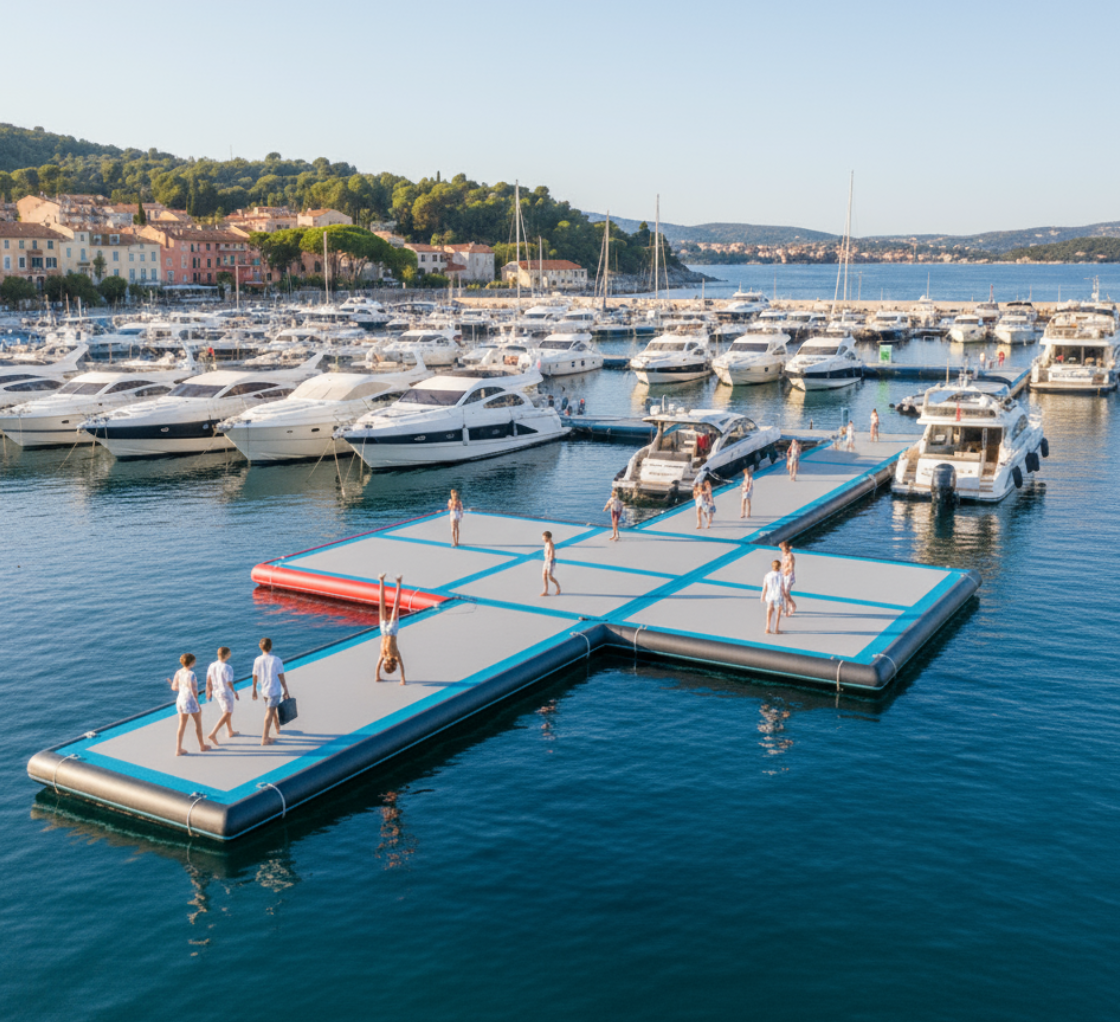
When I evaluate an inflatable platform supplier, I don’t just look at pricing—I look at their expertise. A strong supplier understands the nuances of material technology, seam welding techniques, and safety standards that can make or break a project. For B2B buyers like you, this isn’t about recreational use—it’s about performance, liability, and ensuring your clients have a seamless experience. That’s why working with a supplier who has proven experience in commercial-grade platforms is non-negotiable.
From my perspective, the difference between a good supplier and a great one often comes down to:
Manufacturing consistency: Do they have quality control systems in place?
Compliance knowledge: Can they provide certifications like ISO, CE, or ASTM?
Scalability: Are they capable of handling both small test runs and large B2B bulk orders?
After-sales support: Will they be there if something goes wrong post-purchase?
These factors give me confidence that a supplier won’t just deliver products—they’ll deliver reliability, which is what my buyers ultimately depend on.
In B2B, I’ve learned that the relationship doesn’t end after the first shipment—it’s only the beginning. A reliable inflatable platform supplier becomes a partner who grows with you. Whether it’s updating designs, accommodating special projects, or speeding up delivery for a seasonal rush, trust is built over time. For buyers managing multi-year contracts or repeat clients, this long-term partnership can be the key to staying competitive.
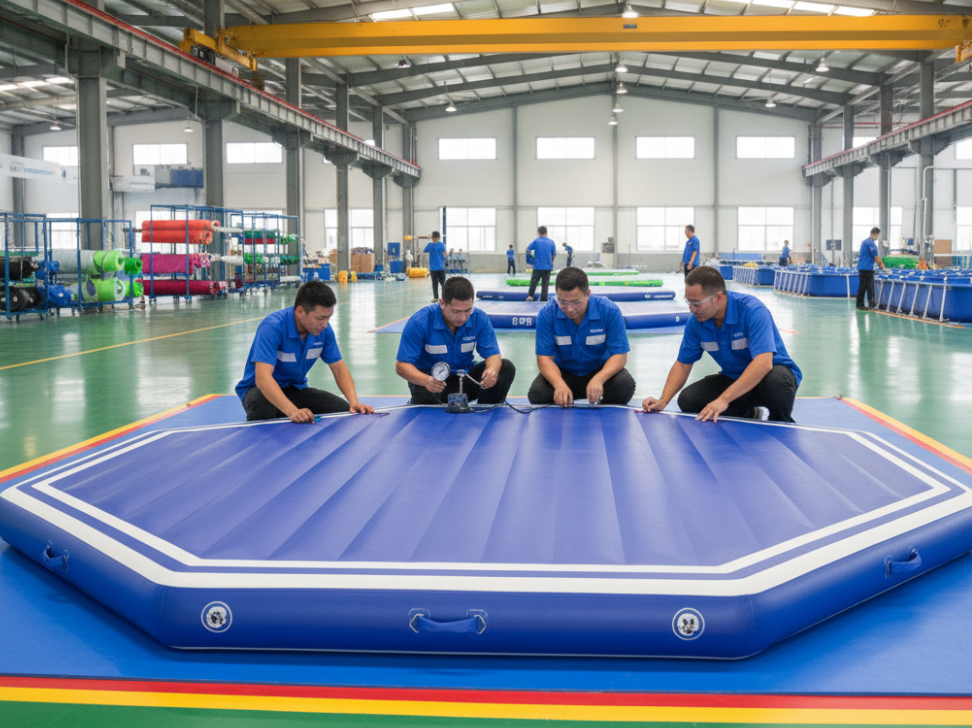
Whenever I work with B2B buyers, the conversation often shifts from “what’s available” to “what’s possible.” This is where a custom size inflatable platform supplier makes all the difference. Custom manufacturing allows me to design solutions that fit exact business needs—whether that means a wider surface for heavy equipment, an extended dock for larger vessels, or a branded lounge platform that enhances a resort’s guest experience. Instead of compromising with standard models, I can help you maximize utility, safety, and brand value.
Every industry I deal with has unique requirements. For example:
Hospitality & Resorts: Platforms often need integrated shade systems, luxury finishes, or custom seating to enhance guest experiences.
Marinas & Ports: Durability and load-bearing capacity take priority, as platforms may need to support frequent docking.
Sports & Events: Quick setup and modular scalability are key for temporary installations.
Industrial Applications: Safety and compliance drive the design, ensuring the platform can handle equipment, crew, and operational stress.
By working with a custom size supplier, I can ensure each platform is engineered for the specific demands of your sector, instead of forcing a one-size-fits-all solution.
In today’s market, differentiation is everything. When I help a client source a custom inflatable platform, it’s not just about solving a practical issue—it’s about creating a competitive edge. A resort with a branded floating lounge instantly stands out. A marina that offers modular docking saves time and labor. Even corporate buyers gain value when they can align platforms with branding and safety standards. Customization isn’t just about size; it’s about creating long-term strategic value for your business.
From my experience, the first question every serious buyer should ask is: “What’s it made of?” A professional-grade inflatable platform must be built with reinforced PVC or drop-stitch material, capable of withstanding UV exposure, saltwater, and heavy use. I always check the load capacity, because a platform that looks great but collapses under stress is a liability. For B2B buyers in marinas or industrial projects, knowing the platform can hold multiple people—or even heavy equipment—without compromise is critical.
In B2B procurement, safety is non-negotiable. That’s why I only consider suppliers that can provide recognized certifications—whether it’s ISO quality management, CE compliance, or ASTM standards. These certifications don’t just look good on paper; they’re proof that the platform meets international safety benchmarks. When I’m advising buyers, I make it clear: working with a certified inflatable platform supplier is not just about avoiding accidents—it’s about protecting your brand reputation.
Efficiency is often overlooked, but it directly impacts ROI. A platform that inflates within minutes, packs down compactly, and requires minimal manpower is invaluable for operations teams. I’ve seen buyers underestimate this, only to face high labor costs during setup or downtime in busy seasons. When I evaluate options, I always test how quickly a platform can be deployed and stored—because time saved equals money saved.
A versatile inflatable platform should function in different settings: calm resort waters, busy marinas, or industrial zones where conditions are less predictable. I pay close attention to anchor points, stability systems, and modular connectors. These features allow the platform to be adapted for multiple uses—whether as a dock extension, floating stage, or branded lounge. For B2B clients, this adaptability maximizes long-term value.
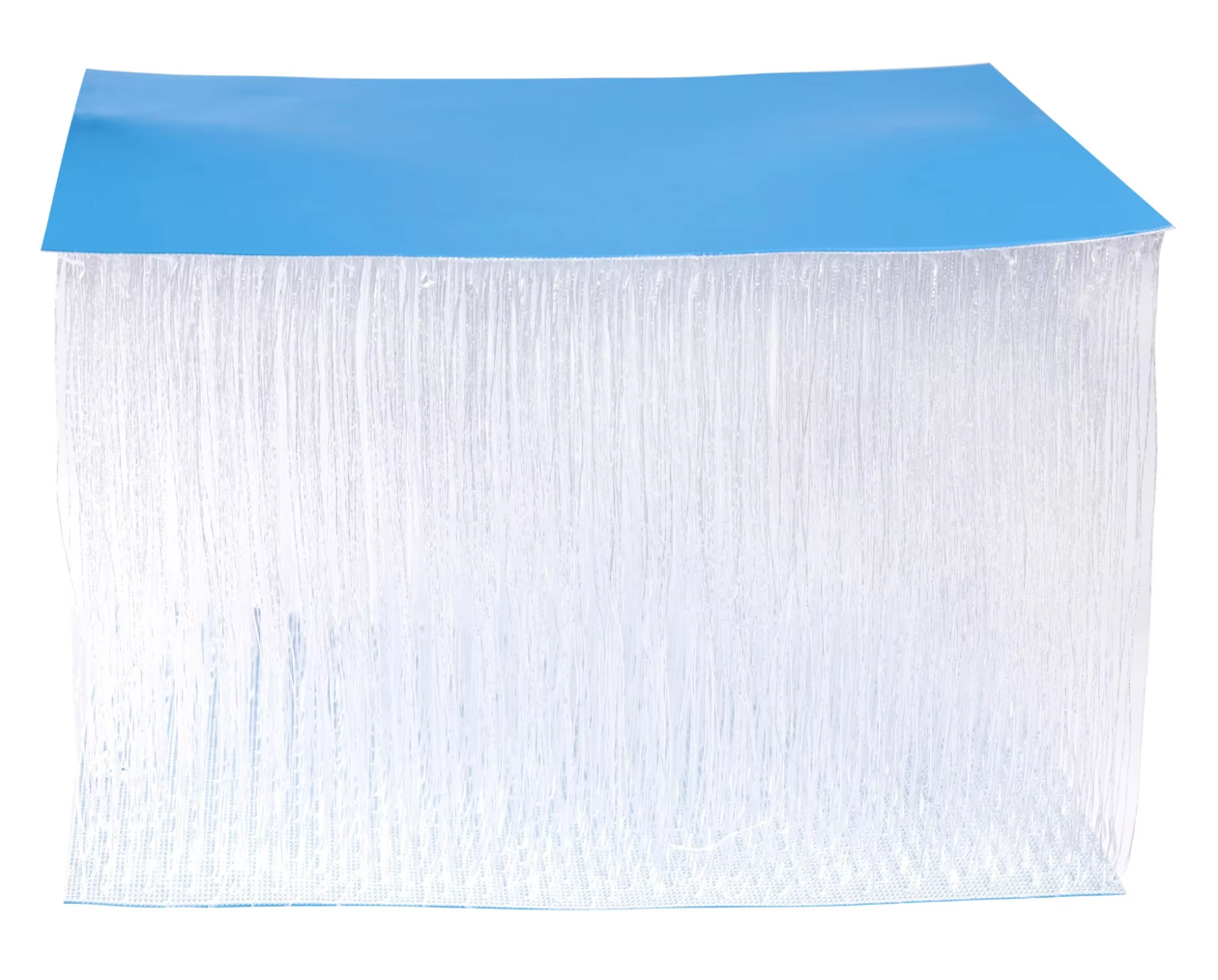
One of the first things I emphasize to clients is that inflatable platforms aren’t limited to standard squares or rectangles. A reliable inflatable platform custom size supplier can manufacture elongated docks for marinas, circular lounges for resorts, or modular sections that connect into large floating workspaces. By tailoring size and shape, I can help you optimize space usage, enhance safety, and fit specific environmental conditions.
For many B2B buyers—especially in hospitality and events—branding is a top priority. I’ve worked on projects where we integrated full-color logos, custom color schemes, and even promotional messaging directly onto the inflatable surface. This transforms the platform from a functional asset into a marketing tool. Imagine guests sharing photos of your branded floating lounge—suddenly, the investment delivers both operational value and brand visibility.
One of the smartest innovations I’ve seen in recent years is modular inflatable design. By connecting multiple units together, businesses can scale their platforms up or down depending on seasonal demand or project size. A marina could start with a 10x10 section, then expand into a larger docking area. An event organizer could build floating stages of varying shapes. I always recommend this option for buyers looking for long-term flexibility, because it allows your investment to grow with your business.
Customization isn’t just about looks—it’s also about functionality. Depending on the supplier’s capability, I can add:
Handrails or guardrails for safety
Shade structures for comfort
Non-slip surfaces for industrial use
Integrated ladders or steps for water access
These small adjustments often make a big difference for B2B buyers who want a platform that’s not just usable, but tailored for their exact operations.
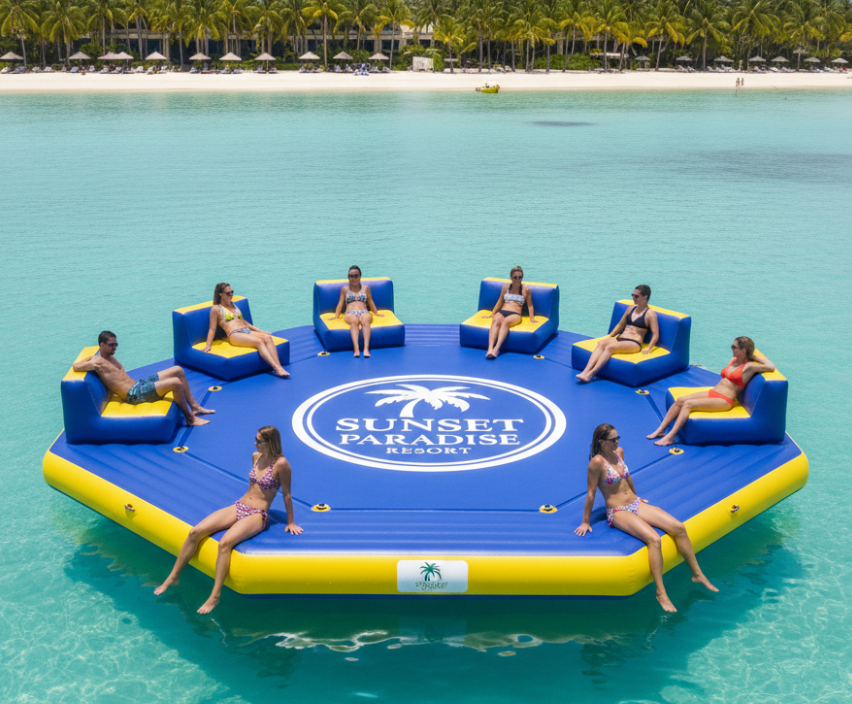
When I advise B2B buyers, one of the first concerns I hear is about cost. Standard inflatable platforms are usually cheaper upfront since they’re mass-produced. But from my experience, custom platforms often deliver better ROI in the long run. Why? Because they’re designed for your exact operational needs—meaning fewer replacements, less downtime, and higher customer satisfaction. For example, a marina that invests in a custom dock extension can increase mooring capacity and generate higher recurring revenue.
Standard inflatable platforms are still valuable in certain scenarios. I typically recommend them for:
Seasonal resorts testing guest demand before scaling up
Small event organizers who need quick, cost-effective setups
Entry-level buyers making their first purchase before committing to custom orders
These off-the-shelf solutions provide a safe and reliable entry point without the commitment of custom engineering.
For businesses with long-term strategies, a custom size inflatable platform supplier is the smarter choice. I’ve seen industrial buyers design platforms to support equipment, while resorts commission luxury lounge areas tailored to their brand. In these cases, customization isn’t just a “nice-to-have”—it’s the only way to fully meet business objectives. The ability to scale, differentiate, and optimize operations justifies the higher upfront investment.
At the end of the day, I always frame the choice as a strategic decision:
If you need flexibility, scalability, and brand alignment → Go custom.
If you need quick availability and lower upfront cost → Start standard.
In fact, some of my clients start with a standard platform to test the market, then transition to custom platforms once demand is proven. This hybrid approach minimizes risk while still unlocking long-term value.
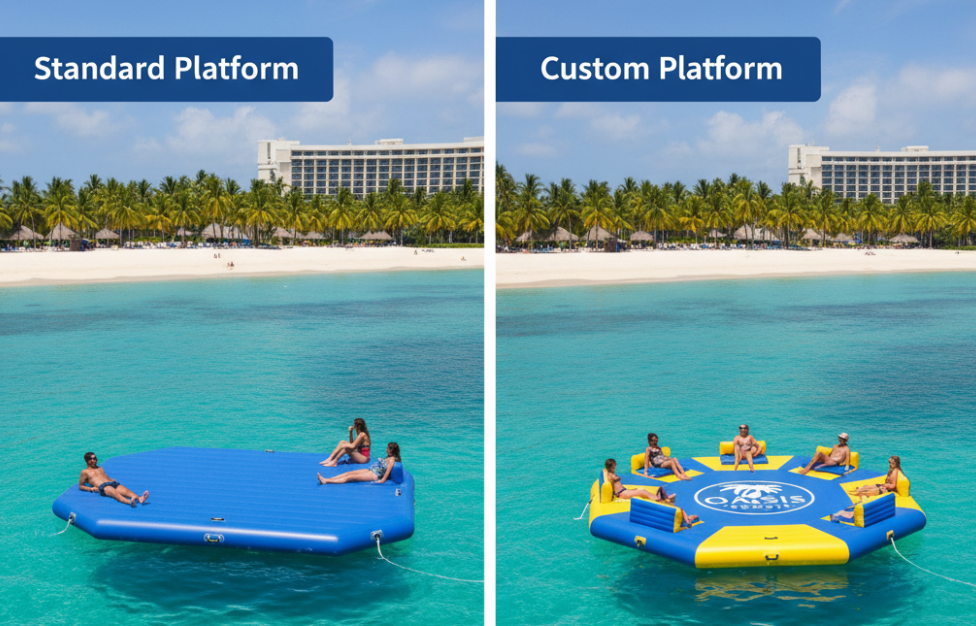
Whenever I help clients choose an inflatable platform supplier, I start with the right questions. Before committing to bulk orders, I always ask:
What materials do you use, and are they reinforced for heavy-duty use?
Can you provide references or case studies from previous B2B clients?
Do you have in-house design teams for OEM or ODM projects?
What is your lead time for bulk orders?
What warranty and after-sales support do you provide?
Suppliers who can answer these clearly are the ones worth considering. Silence, vague promises, or lack of documentation is always a red flag for me.
For B2B buyers, OEM (Original Equipment Manufacturer) and ODM (Original Design Manufacturer) capabilities are critical. If you want to launch your own brand of inflatable platforms, you’ll need a supplier who can handle OEM—producing under your brand name. For buyers who need custom engineering and design, ODM capabilities are essential. A strong inflatable platform custom size supplier should be able to support both, giving you full flexibility whether you’re reselling or using platforms internally.
Nothing builds confidence like a supplier’s track record. I always ask for industry-specific case studies. For example, if I’m sourcing for a marina, I want to see past projects where the supplier delivered large, durable docking solutions. If I’m advising a resort, I expect to see successful custom branding projects. Suppliers with proven experience in multiple industries are far more reliable than those without documented results.
From my perspective, selecting a supplier isn’t just a one-time decision—it’s about building a strategic partnership. The right supplier will grow with your business, adapt designs to changing needs, and provide ongoing support. In competitive B2B markets, having a supplier who understands your industry can be the difference between simply buying a product and securing a long-term business advantage.
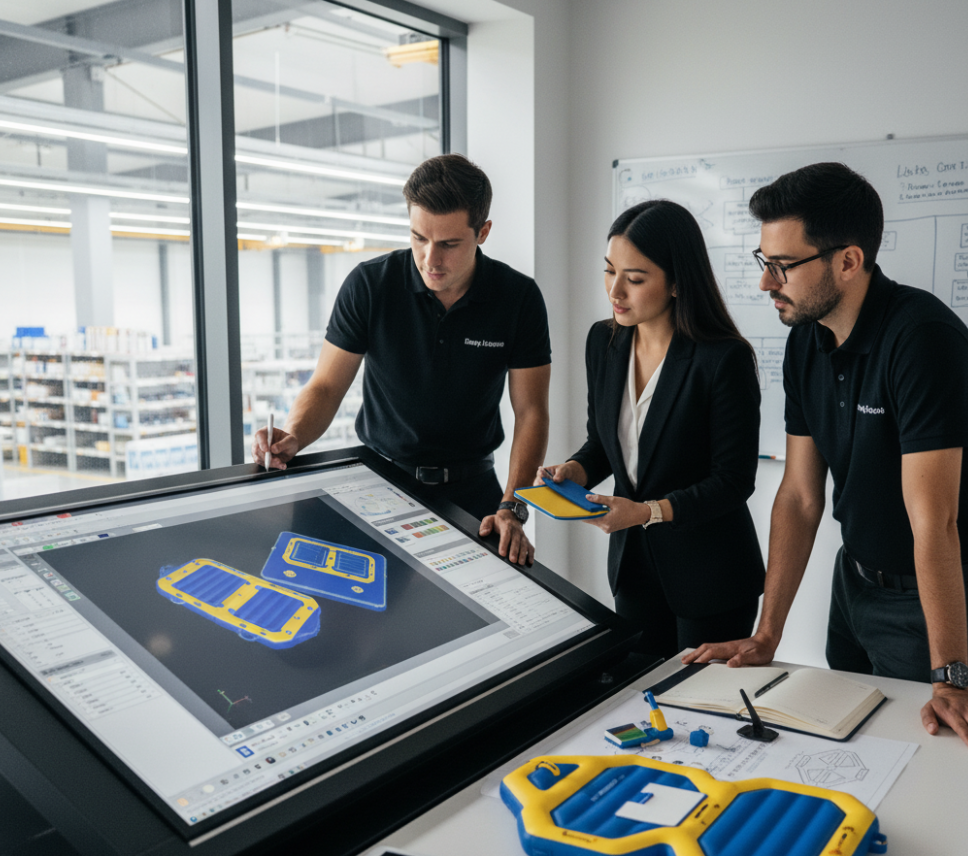
From my experience, one of the biggest challenges in bulk orders is timing. A reliable inflatable platform supplier should provide clear production schedules and realistic shipping timelines. For example, a resort planning for peak season can’t afford a two-month delay. That’s why I always build in a buffer for logistics, customs clearance, and potential port delays. With B2B operations, proper scheduling is not just about convenience—it’s about protecting revenue.
Another key factor I stress to clients is warranty. A reputable inflatable platform custom size supplier should stand behind their products with at least a one-year warranty, often longer for commercial-grade solutions. Just as important is after-sales support—will the supplier provide repair kits, replacement parts, or even service teams if needed? For businesses running multiple units, this ongoing support can drastically extend product life and minimize operational downtime.
In bulk procurement, pricing is always negotiable. I’ve found that the most successful B2B buyers don’t just look for the lowest unit price—they negotiate based on total value. That might mean securing free add-ons (like branding), better shipping terms, or staggered delivery to match seasonal demand. When I negotiate, I focus on aligning the supplier’s production capacity with the buyer’s cash flow, ensuring both sides benefit.
Packaging may seem like a minor detail, but it impacts costs and logistics more than most buyers realize. Compact, reinforced packaging reduces shipping expenses and ensures products arrive in perfect condition. I always confirm whether the supplier can handle palletized bulk shipments, which streamline unloading and inventory management on the buyer’s side.
Finally, I always recommend a sample order or pilot batch before committing to full-scale procurement. This lets you test the product in real-world conditions, verify quality, and confirm supplier reliability. Once the sample performs well, scaling up feels far less risky. For B2B buyers, this phased approach protects budgets and ensures you’re working with a truly capable supplier.
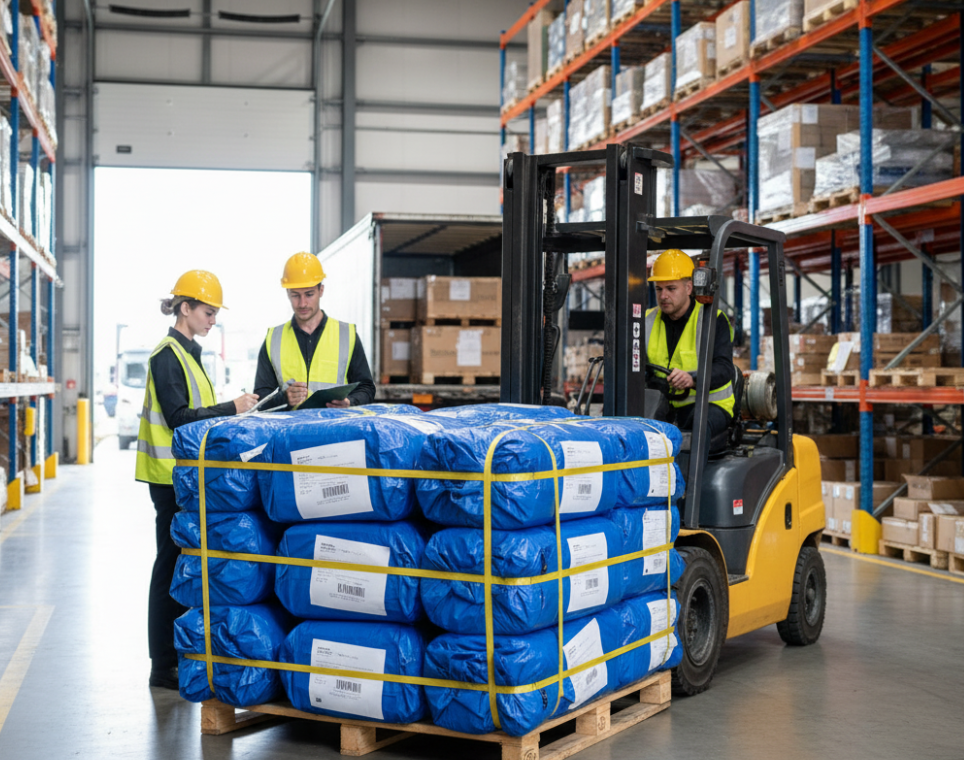
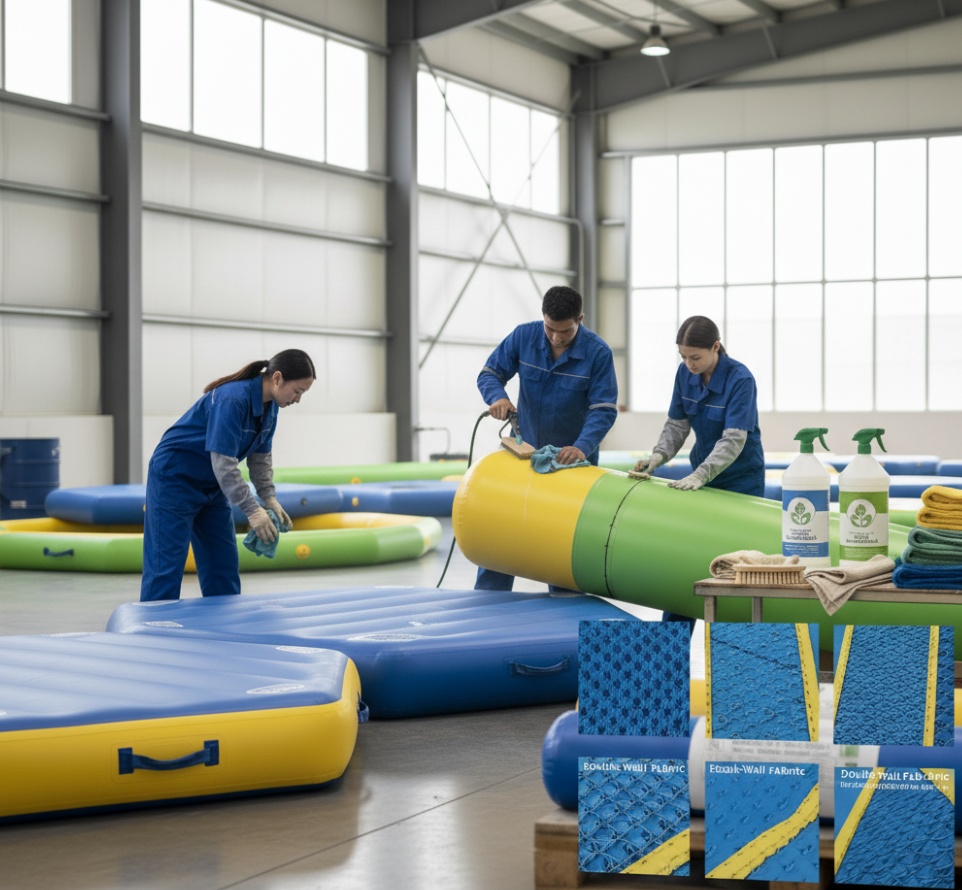
From my perspective, the value of an inflatable platform doesn’t stop at the purchase—it depends on how it’s maintained. Regular cleaning with mild soap and freshwater helps prevent salt, algae, or chemical buildup that could degrade the material. I also recommend storing platforms in a cool, dry environment when not in use, ideally deflated and rolled to avoid stress on seams. Simple measures like these can add years to the product’s lifespan, which directly improves ROI for B2B buyers.
Even the highest-quality platforms may face wear and tear, especially in busy marinas or event settings. That’s why I always look for suppliers who provide repair kits and training, or better yet, have local service partners. A platform with replaceable parts or patchable surfaces can last far longer than one that needs full replacement at the first sign of damage. For buyers, this means lower long-term costs and greater operational reliability.
Sustainability has become a growing priority across industries. More of my B2B clients now ask whether an inflatable platform supplier uses eco-friendly PVC alternatives, recyclable materials, or low-impact production methods. Some suppliers even offer platforms made with UV-resistant, phthalate-free fabrics, which reduce environmental harm while improving durability. Choosing a sustainable product not only helps the planet but also strengthens your brand image, especially in hospitality and tourism sectors.
The buyers I work with don’t see inflatable platforms as one-off expenses—they see them as long-term investments. By selecting the right supplier, maintaining the platforms properly, and considering eco-friendly upgrades, businesses can achieve impressive ROI. For example, a resort that invests in branded, durable platforms can reuse them season after season, while simultaneously driving guest satisfaction and repeat bookings. In B2B, that kind of value multiplies quickly.
When I step back and look at the bigger picture, one thing is clear: inflatable platforms aren’t just products—they’re strategic assets. Whether you’re running a marina, a resort, or an event company, the right platform can improve efficiency, elevate customer experiences, and even open new revenue streams.
Working with an experienced inflatable platform supplier ensures you get a product that’s safe, durable, and reliable. Choosing a custom size inflatable platform supplier takes it one step further, giving you the ability to align every detail—size, shape, branding, and functionality—with your exact business goals.
For B2B buyers, the decision comes down to this:
Standard platforms = a quick, cost-effective entry point.
Custom platforms = long-term scalability, brand differentiation, and higher ROI.
If you’re serious about sourcing a solution that can adapt to your operations and grow with your business, I encourage you to explore custom options now. In fact, I often recommend starting with proven solutions like this inflatable floating platform as a foundation—then working with a supplier to tailor the design to your exact needs.
At the end of the day, choosing the right partner isn’t just about filling an order—it’s about building a reliable, long-term relationship that supports your growth. And that’s where the best B2B value is created.
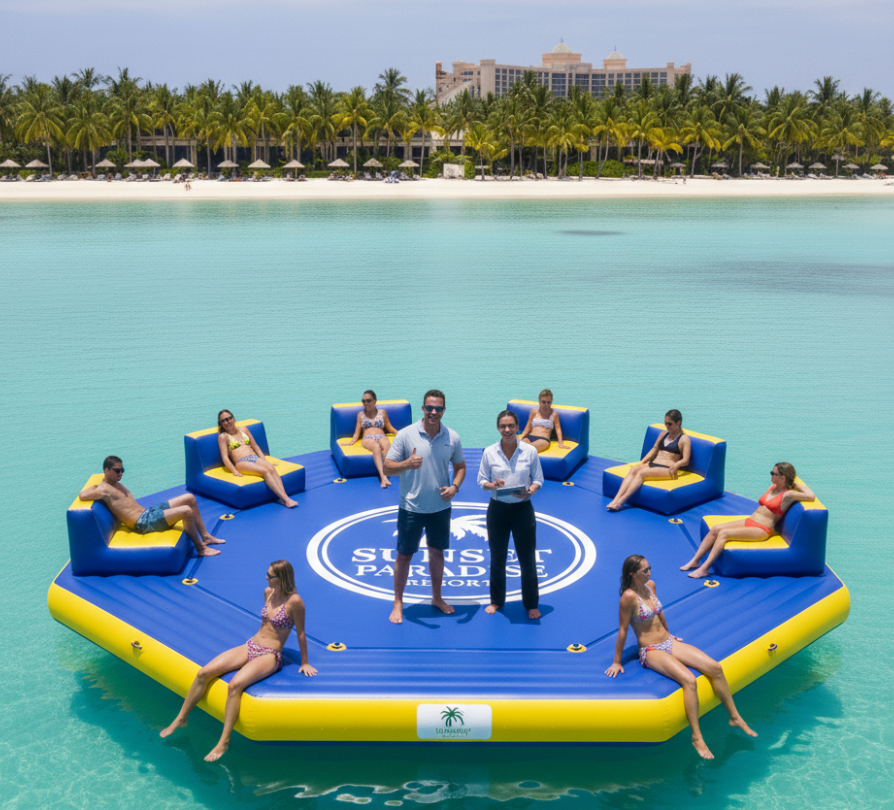
From my experience, custom inflatable platforms are widely used in:
Marinas and ports – for docking extensions and work platforms
Hospitality and resorts – floating lounges, recreational areas
Events and sports – temporary stages, obstacle courses, and water sports setups
Industrial applications – heavy-duty floating solutions for equipment or crew operations
Lifespan depends on material quality, usage intensity, and maintenance. In my experience, a commercial-grade platform from a reputable supplier can last 5–10 years or more, especially with proper cleaning, storage, and occasional repairs.
Absolutely. Working with an inflatable platform custom size supplier allows for full branding options—logos, color schemes, and even promotional messaging. This is ideal for resorts, events, or corporate applications where brand visibility is important.
MOQ varies by supplier. From my experience, many suppliers accept small trial batches to test product performance, then scale up for bulk orders. This phased approach reduces risk while allowing buyers to verify quality.
OEM suppliers produce platforms under your brand, based on existing designs.
ODM suppliers provide design and engineering support for fully customized solutions.
In my view, OEM is best for resellers or buyers seeking brand identity, while ODM is ideal for projects requiring tailored functionality, shape, or modularity.
From my experience, the key is:
Clear communication with the supplier regarding lead times and shipping schedules
Confirming packaging standards and palletization for safe transport
Considering phased or sample orders to test quality before full-scale delivery


![What Is an Air Track in Gymnastics? [Complete Guide]](http://ueeshop.ly200-cdn.com/u_file/UPBF/UPBF509/2605/13/photo/WhatIsanAirTrackinGymnastics.png)


