Inflatable mirror balls are available in a vast spectrum of diameters, ranging from compact 0.6-meter (2ft) units for retail displays to massive 6-meter (20ft) spheres for stadium events. However, the most commercially viable "standard" sizes stocked by Chinese manufacturers are 0.8m, 1.0m, 1.5m, and 2.0m. For B2B importers, selecting the right size is not just an aesthetic choice but a logistical calculation: while you can request almost any diameter, sizes exceeding 2 meters dramatically increase shipping costs due to volumetric weight. Therefore, I always advise clients to balance the visual impact against the ceiling height of their venue and the available logistics budget.
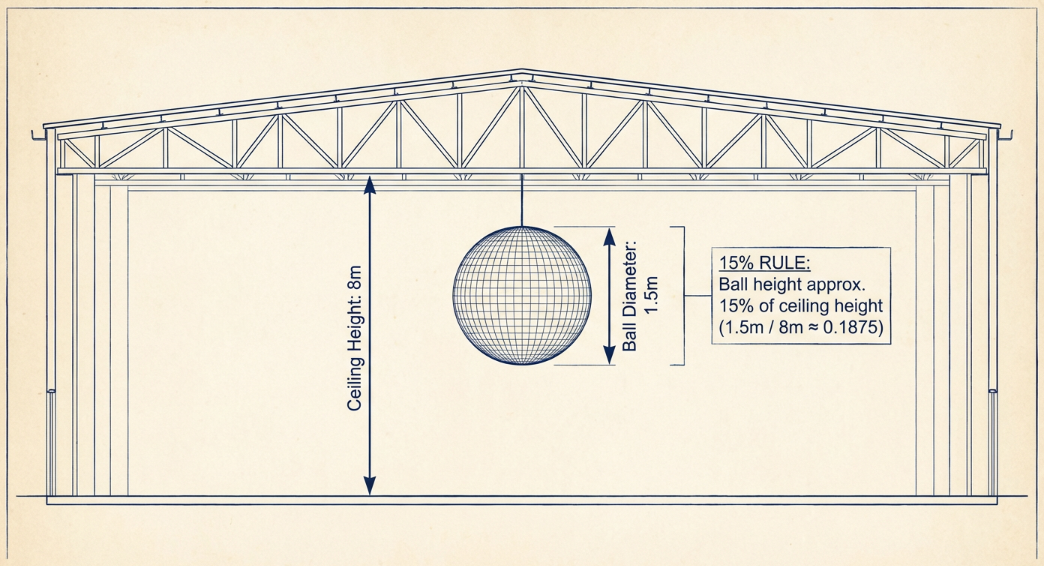
When I advise event planners and visual merchandisers, the most common error I see is undersizing. A mirror ball that looks huge in a catalogue can disappear in a cavernous convention center. To ensure the product meets the B2B purpose, I use a specific ratio based on the venue's architecture.
The 15% Ceiling Rule For a central focal point, the diameter of the ball should correspond to roughly 10-15% of the ceiling height.
The "Grouping" Effect Rather than relying on one size, I often recommend a mixed-size installation. Combining 0.8m, 1.0m, and 1.5m balls creates a dynamic "constellation" effect. This not only looks more professional but also allows for more flexible rigging options compared to hanging one giant, heavy unit.

If you are importing for rental stock or resale, you want the "workhorses" of the industry. The 1.0-meter (3.3ft) and 1.5-meter (5ft) sizes are, by far, the most popular and versatile options in the market.
Why 1.0m Dominates the Market
The 2.0m Threshold Once you step up to 2.0 meters (6.5ft) and above, the product changes from "decor" to "infrastructure." A 2m ball is significantly heavier and catches much more air current (drag). While popular for main stages, it requires professional riggers and rated trussing, narrowing the potential client base slightly compared to the smaller sizes.
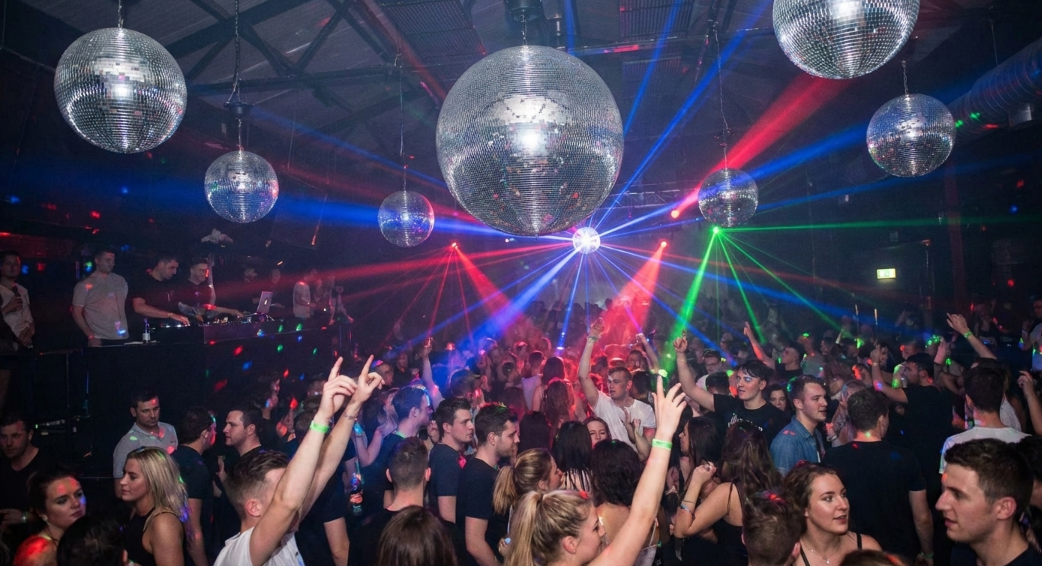
Yes, customization is one of the key advantages of working directly with Chinese manufacturers. Unlike rigid mirror balls which are limited by mold sizes, inflatable versions are cut and welded from flexible PVC/TPU sheets. This means we can scale the patterns to virtually any dimension.
Solving Unique Spatial Constraints I often encounter projects where a standard 1.5m ball is too big, but a 1.0m ball is too small for a specific architectural niche. In these cases, the best solution is to customize inflatable mirror balls to an exact intermediate size, such as 1.3 meters.
Customizing for Shape and Panel Count Customization isn't just about diameter; it's about geometry. As you increase the size (e.g., to 4 meters), you must increase the number of panels to maintain a round shape. If you stretch a standard pattern too far, the ball looks "blocky" or faceted. By customizing, I ensure the factory uses a "high-density" panel pattern (often 18-24 panels instead of the standard 8) to guarantee a perfect sphere, which is critical for high-end B2B presentations.

This is the most critical section for your procurement budget. The relationship between diameter and cost is exponential, not linear.
The Surface Area Factor A 2-meter ball has four times the surface area of a 1-meter ball. This means it requires four times the material and significantly more labor time for RF welding. Consequently, the unit price will be roughly 3.5x to 4x higher, not double.
The "Volumetric Weight" Trap Shipping is where size hurts the most.
My Strategy: For any order involving sizes larger than 2 meters, I strictly advise using Sea Freight (LCL). You must plan 4-6 weeks in advance. If you are forced to air freight a giant ball for a last-minute event, the shipping cost will often exceed the product cost.
When importing inflatable mirror balls from China, size is a strategic lever. It dictates your visual impact, your rigging requirements, and your logistics budget. While standard sizes like 1m and 1.5m offer the safest balance of versatility and cost, do not be afraid to customize for specific venues. The key to a successful B2B purchase is to calculate the total landed cost—including the exponential rise in shipping fees for larger units—before you finalize your quote.
Q1: What is the largest size I can practically import?
A: Technically, factories can make them up to 10 meters. However, for practical handling and shipping, 6 meters is usually the limit. Anything larger becomes a logistical nightmare to deploy and store.
Q2: Do larger balls need a continuous blower?
A: Generally, no. Most mirror balls up to 5 meters are "sealed air" (airtight). However, for permanent outdoor installations of giant sizes, I recommend a constant-air version to compensate for pressure changes caused by temperature fluctuations.
Q3: How much does a 2-meter mirror ball weigh?
A: A commercial-grade (0.4mm thickness) 2-meter ball typically weighs between 12kg and 15kg. Always check the rigging load limit of your venue.
Q4: Can I mix sizes in one shipping container?
A: Yes, and this is efficient. I often nest smaller balls (packed in small boxes) into the gaps left by larger pallets to maximize the container space usage.


![What Is an Air Track in Gymnastics? [Complete Guide]](http://ueeshop.ly200-cdn.com/u_file/UPBF/UPBF509/2605/13/photo/WhatIsanAirTrackinGymnastics.png)


