Shipping inflatable mirror balls requires a balance between protection and volume. Unlike rigid goods, they can’t shatter, but their mirror finish is highly susceptible to "bruising," deep creases, and puncture wounds from rough handling.
A safe arrival isn't luck; it's about specifying the right packaging layers and choosing the correct transport mode. If you are ordering custom shapes that need special crate protection, check customize inflatable mirror balls.
Table of Contents
- What packaging options are best for inflatable products?
- How can I prevent damage during shipping?
- Should I purchase insurance for my shipment?
- What are the best shipping carriers for these products?
- Conclusion
- References
What packaging options are best for inflatable products?
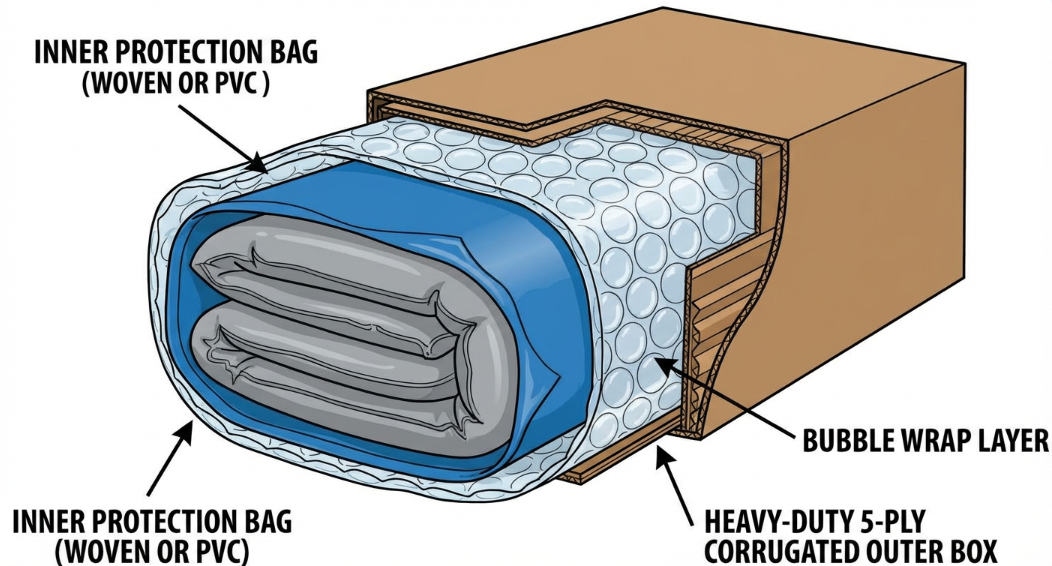
Standard "toy packaging" is not enough for international transit. You must request double-layer protection.
Recommended Packaging Standard:
- Inner Bag: The deflated ball should be folded and placed inside a durable PVC tarpaulin bag or a thick woven sack. This protects the mirror film from abrasion against the cardboard box.
- Protective Interleaving: For high-gloss mirror balls, soft tissue paper or foam sheets should be placed between the folds to prevent the mirror finish from sticking to itself or scratching[1].
- Outer Carton: A heavy-duty, double-wall (5-ply or 7-ply) corrugated cardboard box.
- Strapping: Plastic straps on the exterior of the box to prevent it from bursting open if dropped.
Avoid: Single-wall boxes or shipping the item "loose" in just a soft bag. This guarantees crush damage.
How can I prevent damage during shipping?
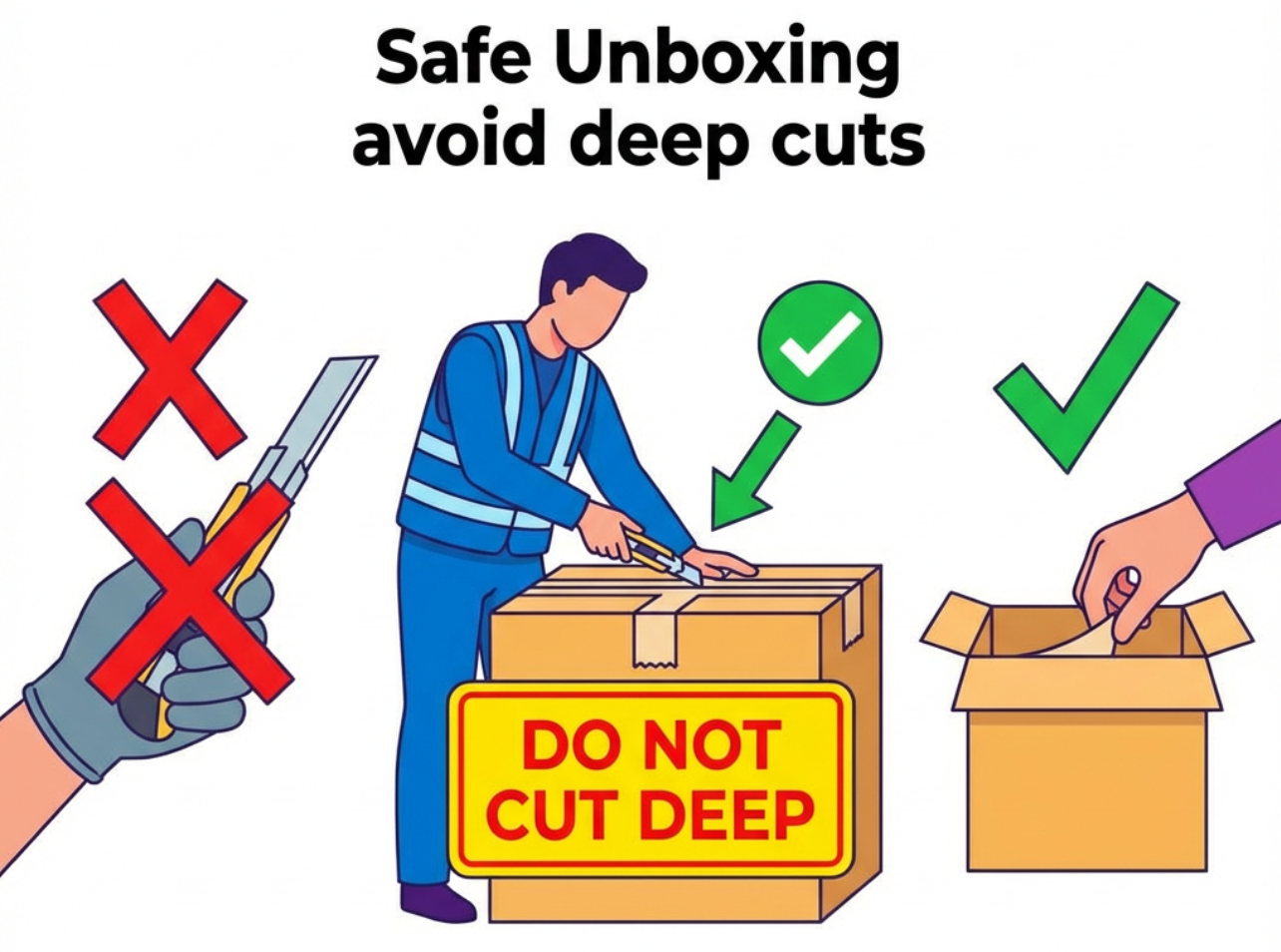
The most common damage happens in the "Last Mile" or right at your doorstep.
Prevention Strategies:
- The "No Knife" Rule: The #1 cause of damage is the customer slicing the product while opening the box. Ask the factory to add a rigid cardboard pad at the top of the box (inside) as a "knife guard."
- Palletizing: For orders of 10+ units, ask the supplier to stack and shrink-wrap the boxes on a pallet. This prevents individual boxes from being thrown, kicked, or lost by couriers.
- Humidity Control: If shipping via sea freight (30+ days), ask for silica gel packets inside the carton to prevent moisture buildup that could fog the mirror film[2].
Should I purchase insurance for my shipment?
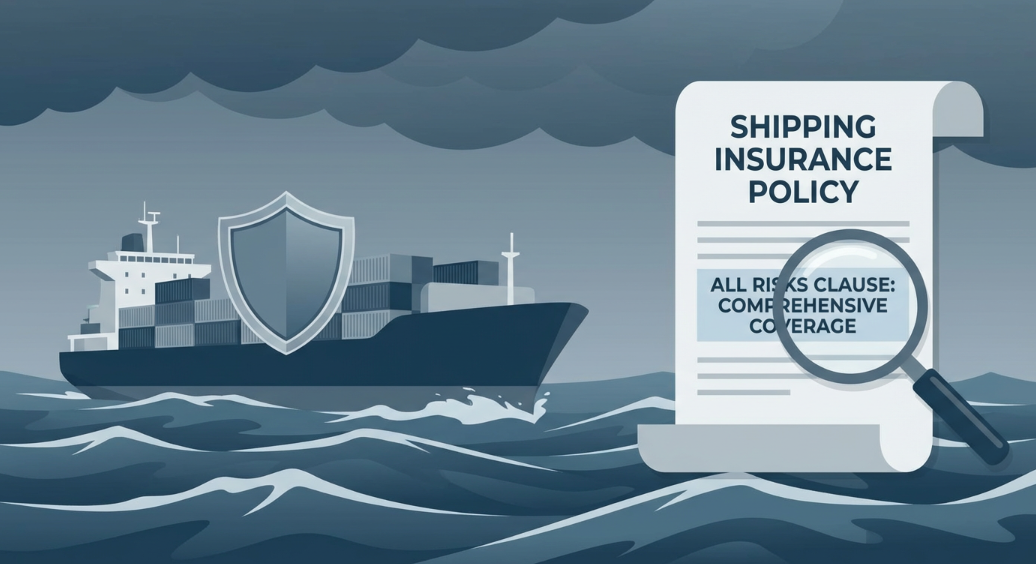
Yes. The cost is negligible compared to the risk.
Why you need it:
- Carrier Limits: Standard liability for carriers like DHL or sea freight lines is often limited to a few dollars per kilogram—nowhere near the value of a commercial mirror ball.
- General Average: In sea freight, if the ship is in distress and dumps cargo to save the vessel, you share the cost unless you have insurance.
Recommendation: Purchase "All Risks" cargo insurance (Clause A). It typically costs 0.3% – 0.6% of the commercial invoice value. For a $1,000 order, that’s just $3–$6 for total peace of mind[3].
What are the best shipping carriers for these products?
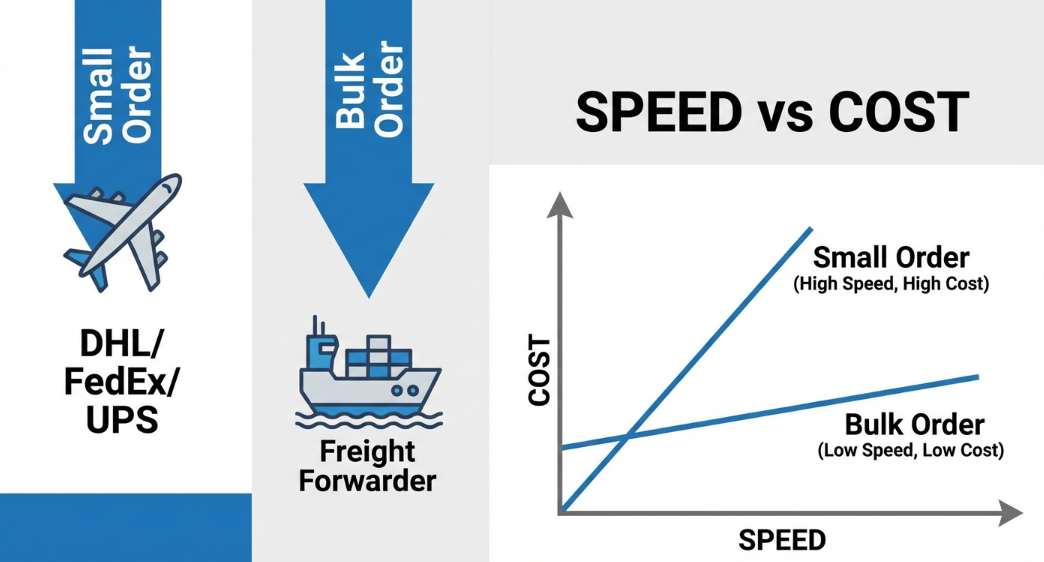
The "best" carrier depends entirely on your volume and timeline.
1. Express Couriers (DHL / FedEx / UPS)
- Best for: Samples, Small orders (1–5 units), Urgent deadlines.
- Pros: Fast (3–7 days), Door-to-Door delivery, detailed tracking.
- Cons: Very expensive for large volume items. Mirror balls are light but bulky, so you pay for "Volumetric Weight," not actual weight.
2. Freight Forwarders (Sea/Air Freight)
- Best for: Bulk orders (10+ units), Pallets.
- Pros: Much cheaper per unit.
- Cons: Slower (25–40 days for sea), requires customs clearance (unless using DDP service).
Pro Tip: For medium orders (e.g., 5–10 balls), ask your supplier for a "DDP Air" (Delivered Duty Paid) quote. Special logistics lines combine air freight + local truck delivery, offering a middle ground in price and speed.
Conclusion
Safe shipping is the final quality control step. A pristine mirror ball can be ruined by a single careless box cutter or a crushed carton.
By specifying 5-ply cartons, insisting on inner protective bags, and paying the small premium for All Risks insurance, you ensure your investment arrives ready for the spotlight. Don't let the logistics be an afterthought. To plan a shipment for your specific order, visit customize inflatable mirror balls.
References
[1] ISTA 3A — General Simulation Performance Test Procedure for Packaged-Products for Parcel Delivery System Service
https://ista.org/
[2] ASTM D4169 — Standard Practice for Performance Testing of Shipping Containers and Systems
https://www.astm.org/d4169
[3] Institute Cargo Clauses (A) — "All Risks" Insurance Standards
https://www.lloyds.com/


![What Is an Air Track in Gymnastics? [Complete Guide]](http://ueeshop.ly200-cdn.com/u_file/UPBF/UPBF509/2605/13/photo/WhatIsanAirTrackinGymnastics.png)


