Inflatable gymnastics mats (air tracks) imported from China do not automatically meet U.S. safety standards; compliance depends entirely on the manufacturer's specific testing protocols. While there is no single "federal air track license," these products must navigate a complex web of regulations including ASTM F2374 (design and operation), CPSIA (chemical safety for children's products), and UL/ETL certifications for the electric air pumps. Importing non-compliant mats can lead to Customs seizures, heavy fines, or liability lawsuits if an athlete is injured.
To find a supplier who already adheres to these strict safety protocols and provides verifiable documentation, check customize air tracks.
You cannot confirm safety by looking at a picture. You must request specific Test Reports from the supplier before you place an order.
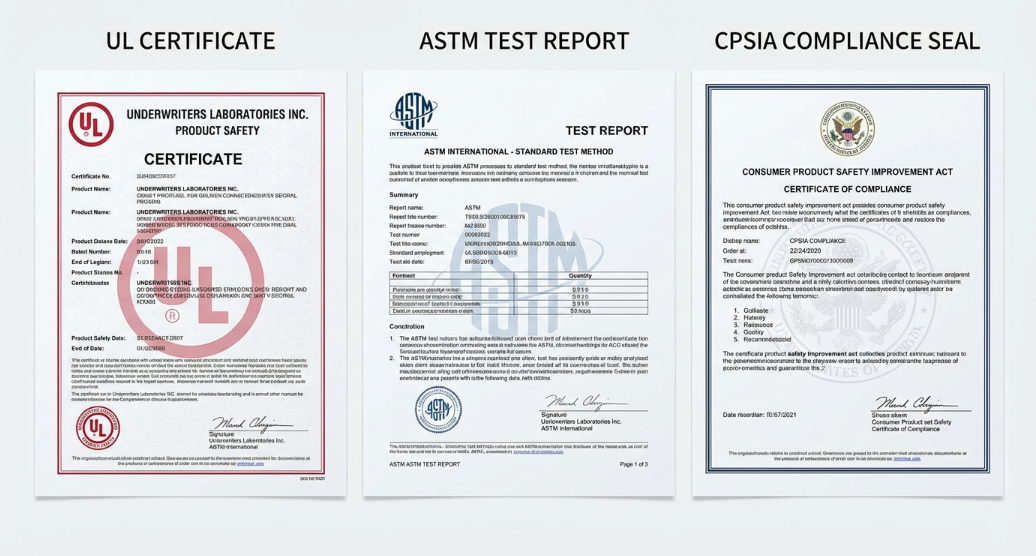
The "Ask and Verify" Protocol Legitimate manufacturers will have recent test reports (less than 2 years old) from accredited third-party laboratories like SGS, Intertek, or TUV.[1][2]
Visual Checks (Post-Sample Delivery)

The answer depends on who the "User" is defined as.
1. Children's Products (Strictly Regulated) If the mat is marketed primarily for children aged 12 and under (e.g., "Kids Tumbling Mat"), it falls under the CPSIA (Consumer Product Safety Improvement Act).
2. General Sports Equipment (Voluntary but Critical) If marketed for adults or general fitness, federal laws are looser. However, the ASTM F2374 standard (Standard Practice for Design, Manufacture, Operation, and Maintenance of Inflatable Amusement Devices) is the industry benchmark.[5][7]
When vetting a supplier, use this checklist to ensure complete compliance. Missing documents are a dealbreaker.
| Component | Required Certification/Standard | Why it Matters |
|---|---|---|
| PVC Material | CPSIA / CA Prop 65 | Proves the vinyl contains no lead or banned phthalates (carcinogens). Essential for selling in California.[8][9] |
| Electric Pump | UL 1450 / ETL | The electric blower must be UL or ETL listed. Non-certified pumps are fire hazards and illegal to sell in many states.[10] |
| Design/Structure | ASTM F2374 | Verifies structural integrity, wall containment heights, and impact attenuation.[5] |
| Flame Retardancy | NFPA 701 | Required for mats used in public venues (schools, gyms) to ensure the material resists catching fire.[7] |
Trusting the factory's word is not a strategy. You must implement a compliance control process.
Step 1: The "Prop 65" Warning Even if you don't sell exclusively to California, it is safer to include a Proposition 65 Warning Label on all packaging ("Warning: This product contains chemicals known to the State of California..."). This protects you from "bounty hunter" lawsuits.[8][9]
Step 2: Third-Party Lab Testing For orders over $5,000, hire a lab (like QIMA or SGS) to pull a sample from the production line and test it before shipment.
Step 3: Electric Pump Verification Ask the supplier for the UL File Number of the air pump manufacturer. Go to the UL Product iQ database and verify that the file number is active and matches the pump model.[10]

Importing inflatable gymnastics mats requires more than just finding the lowest price; it requires a commitment to safety. While U.S. law allows some grey areas for general fitness equipment, the CPSIA mandates strict chemical testing for children's products, and ASTM F2374 is your only shield against liability. Always demand UL-certified pumps and verify material safety reports to ensure your products are safe, legal, and insurable.
[1] SGS. Prop 65 Vinyl Inflatable Structures Guidelines. https://newsletter.sgs.com/eNewsletterPro/uploadedimages/000006/SGS-Safeguards-05011-Prop-65-vinyl-inflatable-structures-A4-EN-11.pdf
[2] HQTS. A Complete Guide to CPSIA Testing Compliance. https://www.hqts.com/cpsia-testing-compiance-guide/
[3] CPSC. Home Use Inflatable Children's Toys Enforcement Letter. https://www.cpsc.gov/s3fs-public/pdfs/mfginflatable.pdf
[4] CPSC. The Consumer Product Safety Improvement Act (CPSIA). https://www.cpsc.gov/Regulations-Laws--Standards/Statutes/The-Consumer-Product-Safety-Improvement-Act
[5] ASTM. F2374-22 Standard Practice for Design, Manufacture, Operation, and Maintenance of Inflatable Amusement Devices. https://www.astm.org/f2374-22.html
[6] PVC Tech. CPSIA Compliance Summary for PVC Products. https://pvctech.com/wp-content/uploads/2015/01/pvctech-CPSIA-web-summary-02.04.15.pdf
[7] ANSI Blog. ASTM F2374-22: Inflatable Amusement Devices Safety. https://blog.ansi.org/ansi/astm-f2374-22-inflatable-amusement-devices/
[8] QIMA. Prop 65 Warning Label Requirements: What They Are and How to Comply. https://blog.qima.com/product-compliance/prop-65-warning-label-requirements
[9] Wellcomer. California Prop 65 Warning for Inflatable Vinyl Products. http://wellcomer.net/california-prop-65-warning/
[10] Made-in-China. Inflatable Blower Motor Air Blower with CE/UL Certification. https://m.made-in-china.com/product/Inflatable-Blower-Motor-Air-Blower-with-Ce-UL-Certification-827234905.html


![What Is an Air Track in Gymnastics? [Complete Guide]](http://ueeshop.ly200-cdn.com/u_file/UPBF/UPBF509/2605/13/photo/WhatIsanAirTrackinGymnastics.png)


