The efficacy of an air track mat is intrinsically linked to the performance of its inflation pump. In applications ranging from gym training, aquatic yoga practice, to the establishment of home fitness environments, the pump's operational characteristics—including inflation speed, energy efficiency, and long-term mechanical reliability—significantly impact user experience and overall functionality. When considering pump selection, professionals and enthusiasts alike face a critical decision: whether to prioritize the integrated convenience of a built-in pump system or the modular flexibility of a standalone inflation device. This comprehensive guide aims to analyze the technical specifications, practical applications, and performance metrics of both options, enabling readers to make a well-informed purchasing decision.
Table of Contents
- Why Pump Choice Matters for Air Track Mats
- Built-in Pumps: Convenience with a Potential Premium
- Standalone Pumps: Flexibility with a Learning Curve
- Key Differences: Built-in vs. Standalone Pumps (Table)
- Scenario-Based Recommendations
- Pump Selection Pitfalls to Avoid
- Conclusion
1. Why Pump Choice Matters for Air Track Mats
A pump isn’t just an accessory—it’s the engine of your air track mat. Poor pump performance can lead to:
- Slow inflation: A low-power pump may take 15+ minutes to inflate a thick mat.
- Compatibility issues: Mismatched pump heads can cause air leaks or incomplete inflation.
- Portability struggles: A bulky pump ruins the “portable” appeal of outdoor mats.
Your choice between built-in and standalone pumps hinges on three factors: use frequency, portability needs, and budget. Let’s dive deeper.
2. Built-in Pumps: Convenience with a Potential Premium
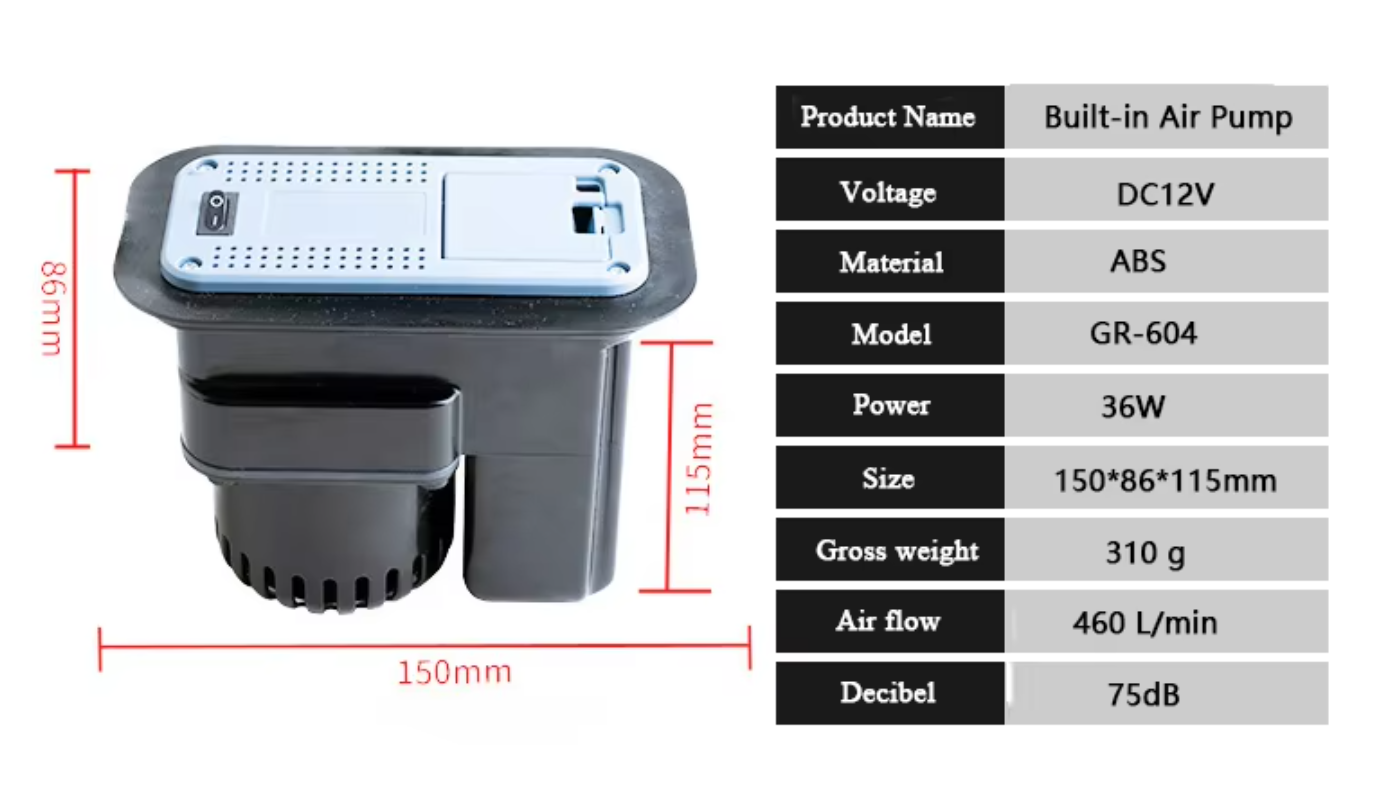
What Are Built-in Pumps?
Built-in pumps are integral components that are packaged in tandem with air track mats, usually developed by the same manufacturing entity. These pumps undergo specialized engineering to establish compatibility with specific valve configurations, such as the Boston valve system. As a result of this tailored design approach, built-in pumps can be deployed immediately upon unpacking, eliminating the need for additional setup procedures.
Core Advantages
- Plug-and-Play Convenience: No need to research or buy a separate pump—just unbox and inflate (ideal for beginners or time-sensitive users).
- Perfect Compatibility: Engineered to match the mat’s valve size and pressure requirements, minimizing leak risks.
- Unified Warranty: If the pump or mat fails, you contact one brand for support (simpler than juggling multiple vendors).
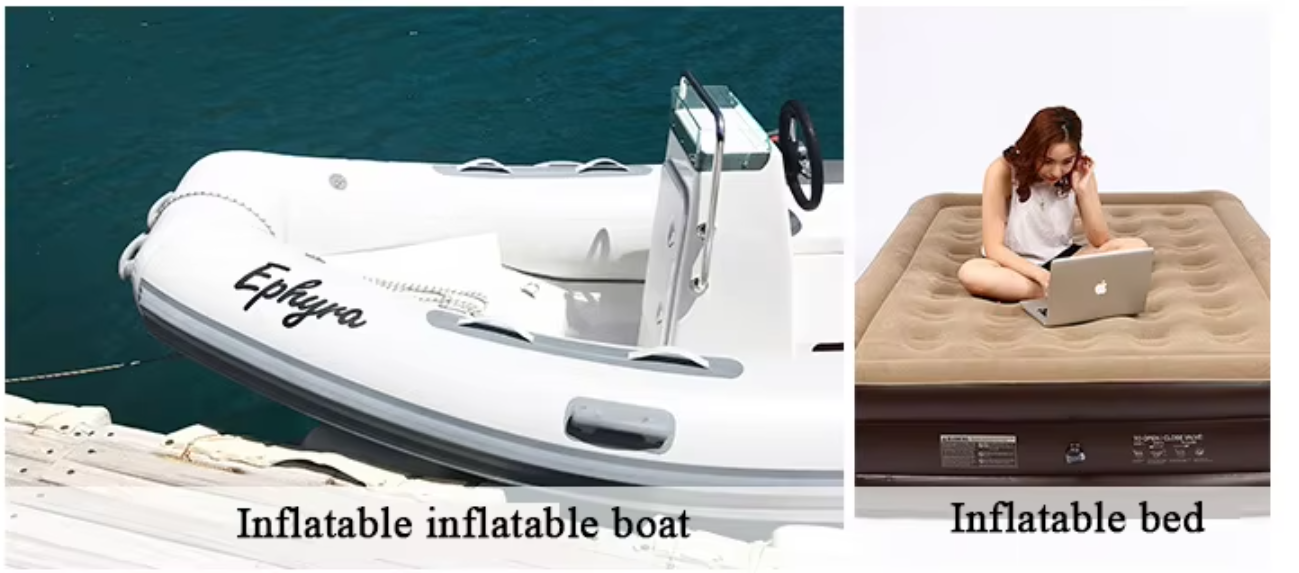
Potential Drawbacks
- Higher Cost: Built-in pumps add 20%-30% to the mat’s price (you’re paying for integration, not just the pump itself).
- Limited Upgradability: If you later need a more powerful pump (e.g., for thicker mats), you’ll have to replace the entire set.
- Brand Dependency: Repairs require waiting for the original brand’s service, which may be slow for niche brands.
3. Standalone Pumps: Flexibility with a Learning Curve
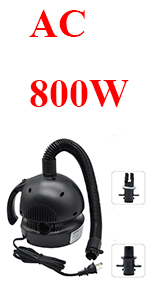
What Are Standalone Pumps?
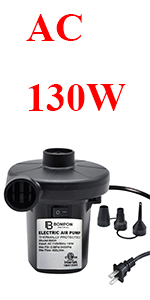
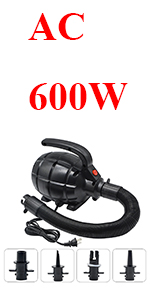
Standalone air pumps, typically manufactured and distributed by independent third-party vendors, represent a distinct product category separate from air track mats. These multifunctional devices are engineered with adaptable features that enable their utilization across a wide array of inflatable equipment. Beyond their application in inflating air track mats, they demonstrate efficacy in the inflation of diverse items, including but not limited to air mattresses, inflatable kayaks, and stand-up paddleboards.
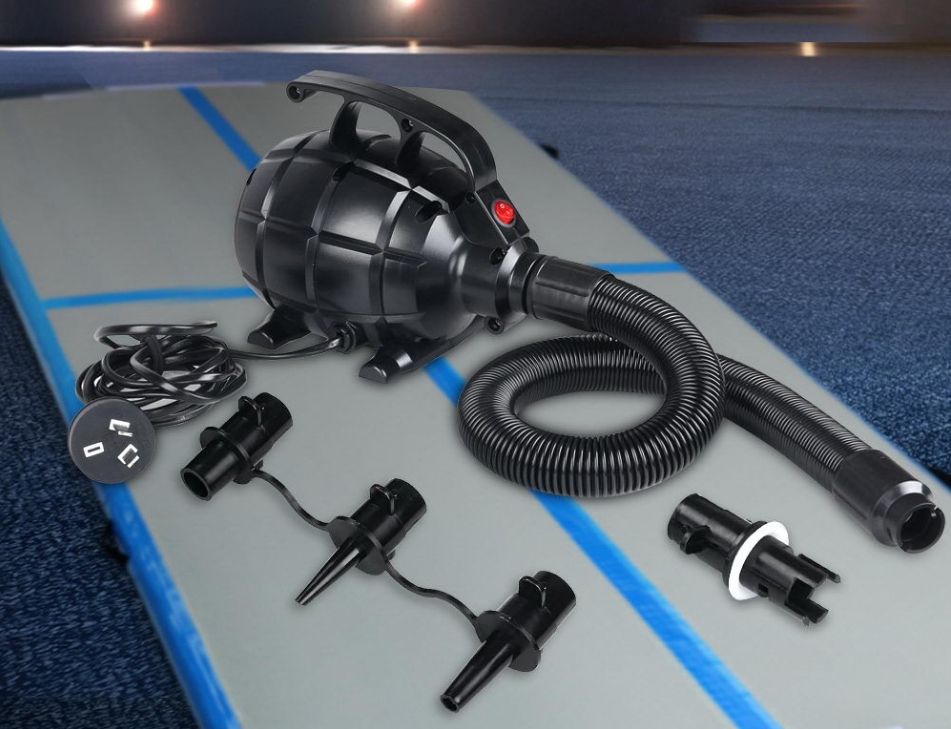
Core Advantages
- Cost Efficiency: You can find high-performance pumps for 20%-50% less than built-in options (e.g., a $150 standalone pump may outperform a $250 built-in one).
- Customizable Power: Choose pumps by specs—high-pressure (for thick mats), dual-cylinder (for speed), or battery-powered (for outdoor use).
- Multi-Gear Use: One pump can service your air track mat, camping bed, and paddleboard, maximizing utility.
Potential Drawbacks
- Compatibility Risk: You must manually check if the pump head fits your mat’s valve (mismatches cause leaks or under-inflation).
- Research Required: Novices may struggle to compare specs like PSI (pounds per square inch) or power (watts).
- Split Support: If the pump fails, you’ll need to contact its brand—separate from the mat’s manufacturer.
4. Key Differences: Built-in vs. Standalone Pumps
5. Scenario-Based Recommendations
6. Pump Selection Pitfalls to Avoid
- Ignoring PSI Requirements: Thick mats (≥4 inches) need pumps with ≥10 PSI capacity; thin mats (≤3 inches) work with 5-8 PSI.
- Overlooking Valve Types: Confirm if your mat uses a “high-pressure valve” (requires a specialized pump head) or a “standard valve” (universal pumps work).
- Forgetting Power Source: Outdoor users need battery-powered or car-charging pumps; indoor users can stick to plug-in models (more reliable).
7. Conclusion
Choosing between a built-in or standalone air track mat pump boils down to your unique needs. Built-in pumps shine for casual users seeking convenience, while standalone pumps dominate for pros needing power and versatility. No matter your choice, prioritize compatibility and use scenario over price alone—because a well-matched pump transforms your air track mat from a “good” tool to a “great” one.
Remember: The right air track mat pump isn’t just about inflation—it’s about maximizing your training, play, or relaxation experience.


![What Is an Air Track in Gymnastics? [Complete Guide]](http://ueeshop.ly200-cdn.com/u_file/UPBF/UPBF509/2605/13/photo/WhatIsanAirTrackinGymnastics.png)


