WELCOME TO OUR BLOG

We're sharing knowledge in the areas which fascinate us the most
click

Inflatable vs. Traditional Gymnastics Mats: Safety, Alternatives & Pricing

By Gracie June 29th, 2025 577 views
Catalog

Introduction: Why Gymnastics Mats Matter

Whether you’re training at home, coaching kids, or prepping for a competition, your mat isn’t just a floor cover—it’s your safety net. But with terms like “air mat,” “tumbling mat,” and “gymnastics mat” thrown around, confusion abounds. In this guide, we answer every burning question: Are inflatable mats safe? What’s the right term? Can you use alternatives? Why do some mats cost a fortune? And—most importantly—is an air mat better than a traditional one?

Table of Contents

  1. Gymnastics Mats 101: Names, Types, and Key Features
  2. Safety First: Are Inflatable Gymnastics Mats Safe?
  3. No Mat? No Problem: Practical Alternatives to Gymnastics Mats
  4. The Price Puzzle: Why Are Tumbling Mats So Expensive?
  5. Air Mat vs. Traditional Mat: Which Is Better for You?

1. Gymnastics Mats 101: Names, Types, and Key Features

1.1 Common Names Decoded

First, let’s clarify terminology:

  • Gymnastics mat: A broad term for any mat used in gymnastics, including foam, rubber, or inflatable options.
  • Tumbling mat: A specialized, extra-long mat (often 4–10m) designed for flips, rolls, and high-impact routines.
  • Air mat/Airtrack: A portable, inflatable mat filled with air, known for its springy surface.

1.2 Core Types Explained

Mats fall into two main categories:

Type Material Key Features
Traditional Mats Foam, rubber Dense, non-inflatable, ideal for heavy use (e.g., gyms).
Inflatable Mats PVC/TPU (with air chambers) Lightweight, portable, and springy—great for home or travel.

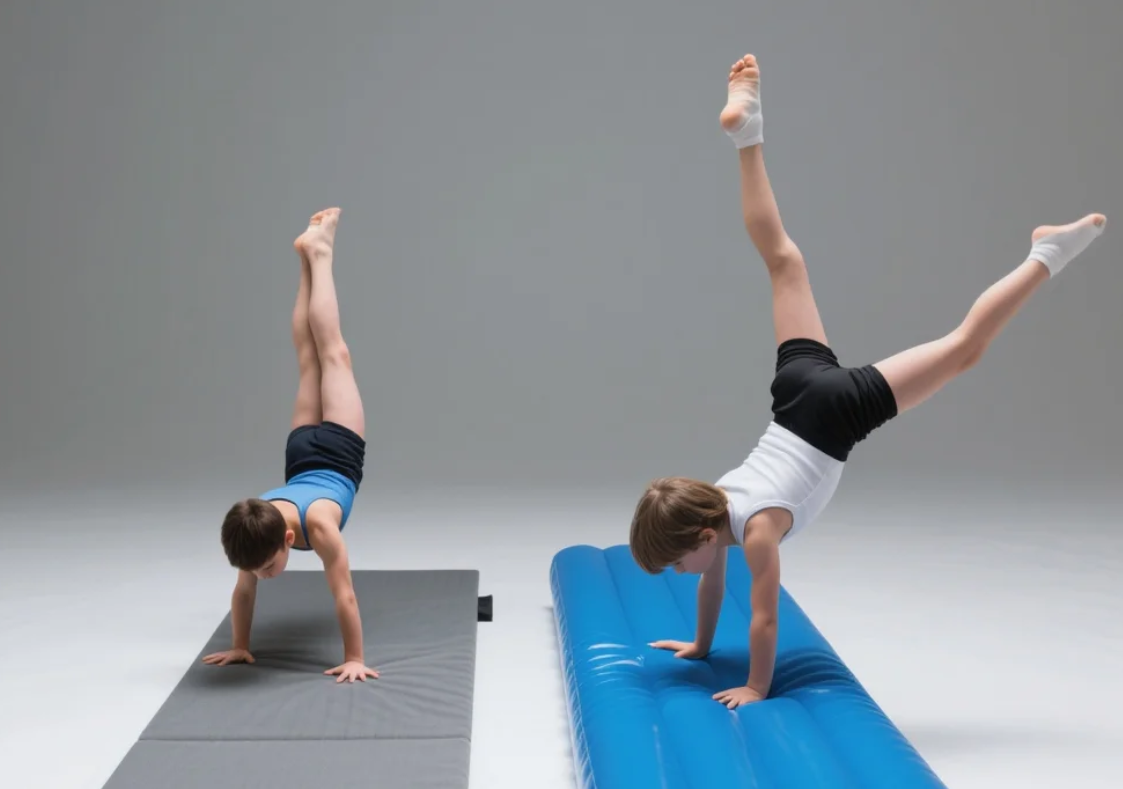
Traditional foam gymnastics mat vs inflatable air mat comparison

2. Safety First: Are Inflatable Gymnastics Mats Safe?

2.1 Why Inflatable Mats Work for Safety

Inflatable mats excel in safety due to:

  • Air absorption: Chambers distribute impact evenly, reducing joint strain.
  • Even pressure: High-quality models (e.g., TPU) maintain pressure for weeks, avoiding “dead spots.”
  • Lightweight design: Less risk of tripping compared to heavy foam mats.

2.2 When Do Risks Arise?

Risks are rare but possible with:

  • Under-inflation: Low pressure reduces support (common user error).
  • Low-quality materials: Cheap PVC may puncture easily; opt for TPU or composite mats.
  • Misuse: Using a small air mat for full flips (match size to activity).

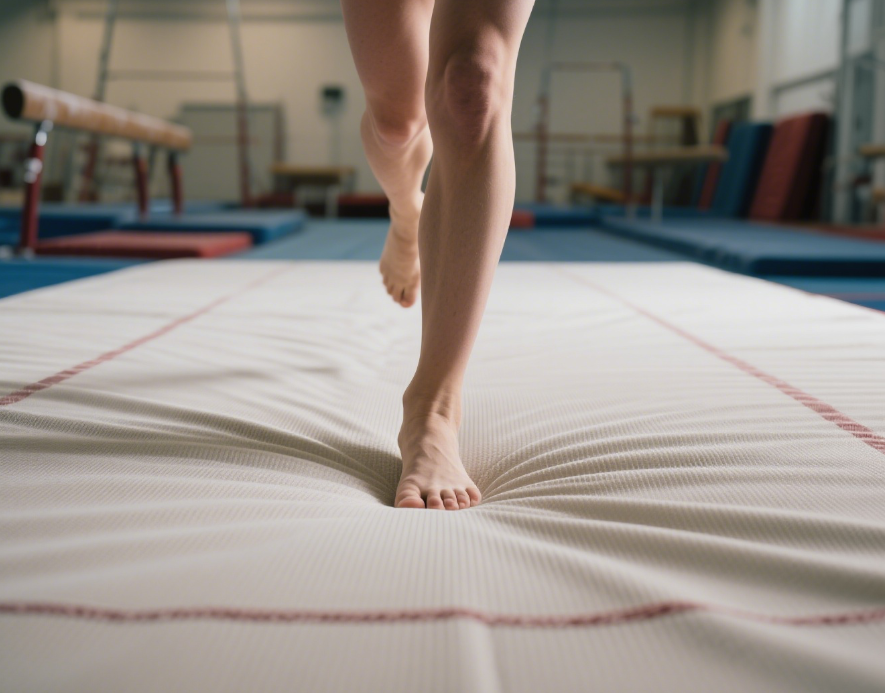
Gymnast safely landing on inflatable air mat

3. No Mat? No Problem: Practical Alternatives to Gymnastics Mats

If you’re short on budget or mats, here are viable alternatives—with tradeoffs:

Alternative Cushioning Portability Cost
Yoga Mats Low (thin foam) High (lightweight) $10–$50
Foam Puzzle Tiles Moderate (interlocking) Medium (easy to assemble) $5–$15 per tile
Carpet + Rug Pad Low (soft but not impact-resistant) Low (fixed) $20–$100
Martial Arts Crash Mats High (dense foam) Low (heavy) $50–$200

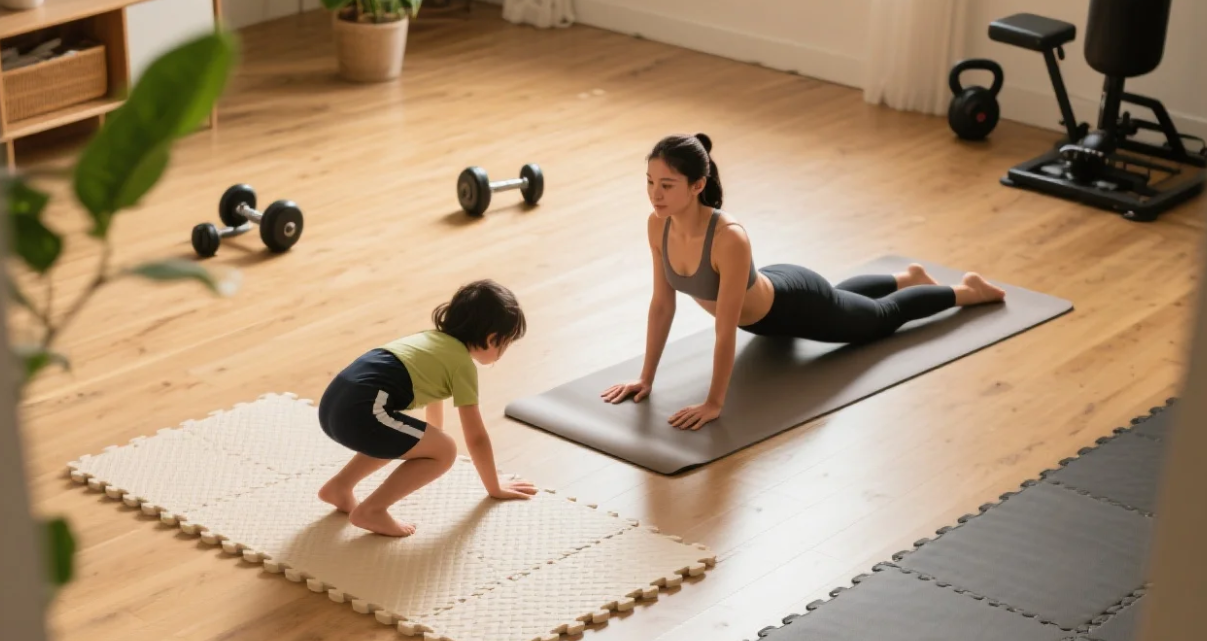
Gymnastics mat alternatives in use

4. The Price Puzzle: Why Are Tumbling Mats So Expensive?

Tumbling mats often cost $150–$500+ due to:

4.1 Material Costs

  • High-density foam: Required for tumbling mats to withstand repeated impacts.
  • Industrial-grade materials: TPU/PVC for inflatable mats (puncture-resistant and waterproof).

4.2 Engineering & Certifications

  • Multi-chamber design: Precision manufacturing ensures even pressure.
  • Safety certifications: ASTM, EN 13814, or CE testing adds production costs.

4.3 Brand Premiums

Top brands (e.g., Tumbl Trak, Airtrack) invest in R&D, warranties, and durability—justifying higher prices.
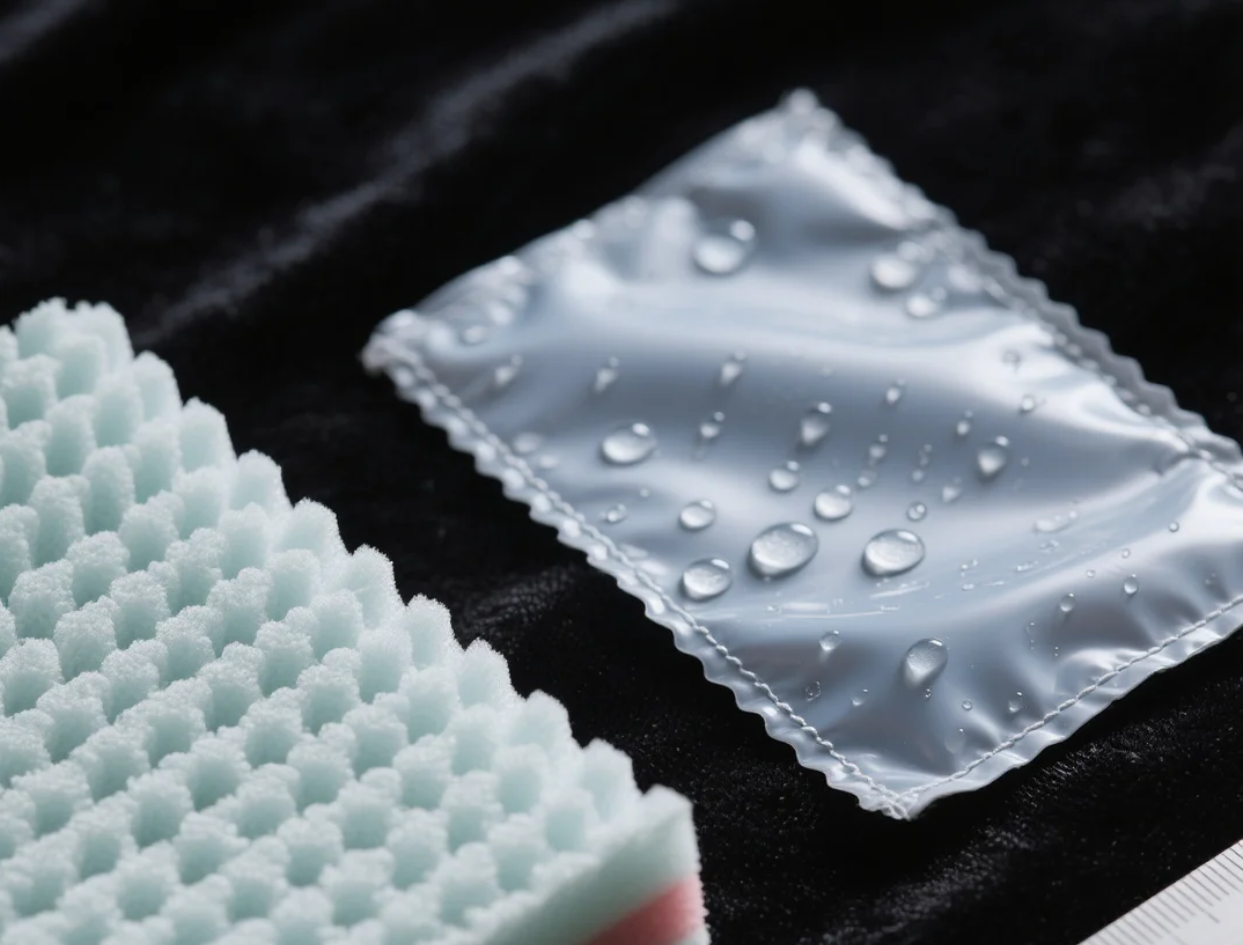
High-density foam and TPU material

5. Air Mat vs. Traditional Mat: Which Is Better for You?

Factor Air Mat Traditional Mat
Portability Light, deflates to small size Heavy, bulky (hard to move)
Cushioning Superior (air absorbs impact) Good (foam/rubber)
Durability Moderate (risk of punctures) High (resists tears/scratches)
Cost Mid-range ($150–$400) Budget to premium ($50–$500+)
Best For Home use, travel, kids, yoga Gyms, professional training, heavy use

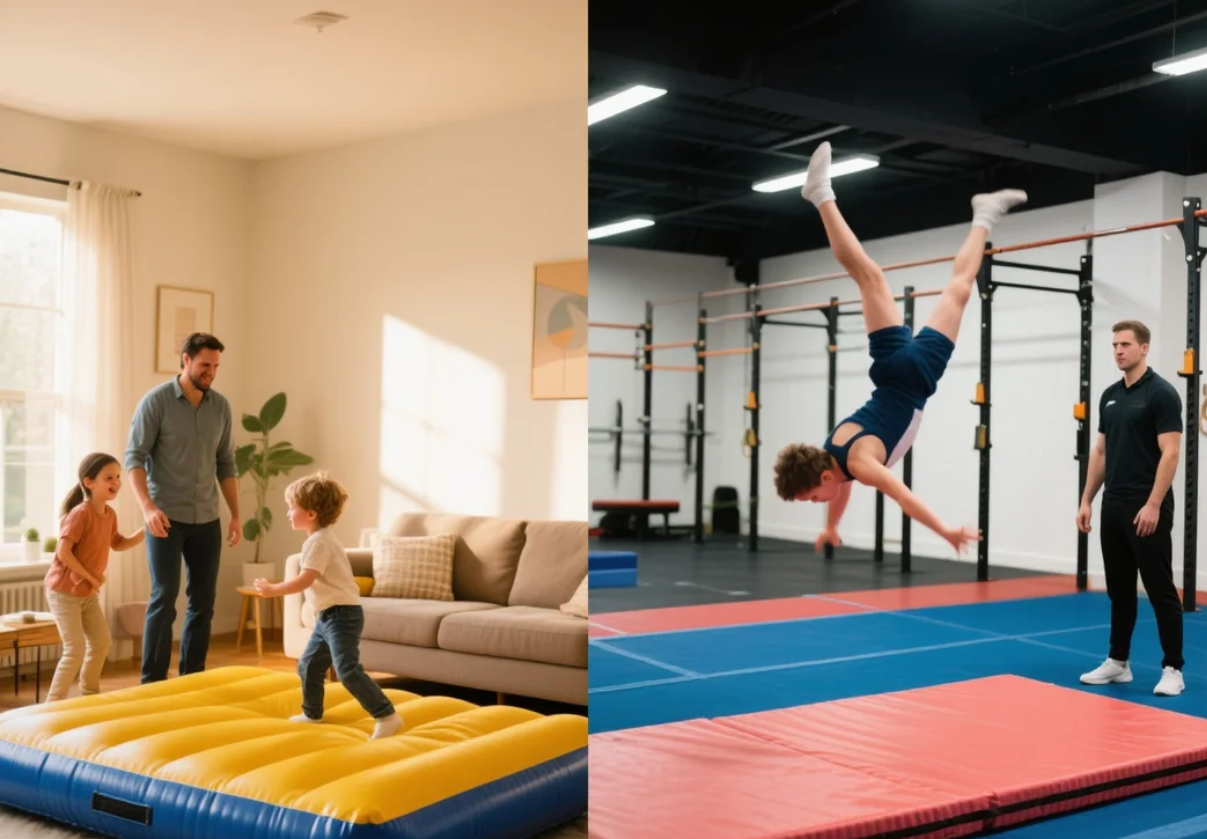
Air mat in home living room vs. traditional mat in professional gym

Conclusion: Mat Wisdom for Every Athlete

Choosing the right gymnastics mat comes down to your needs: Inflatable mats are safe when used correctly, ideal for portability and home training. Traditional mats dominate in durability and high-impact settings. Alternatives exist but sacrifice cushioning, while tumbling mats’ price reflects quality and engineering. Whether you’re a child learning cartwheels or a pro mastering flips, the perfect mat will boost safety, skill, and enjoyment. Invest wisely—and train safely!

Airtrack Size & Type Guide: How to Choose the Perfect Inflatable Training Mat,Aftersea
Previous
Airtrack Size & Type Guide: How to Choose the Perfect Inflatable Training Mat
Read More
Ultimate Buyer's Guide: Choosing the Right Inflatable Air Track for Gymnastics & Tumbling,Aftersea
Next
Ultimate Buyer's Guide: Choosing the Right Inflatable Air Track for Gymnastics & Tumbling
Read More

CONTACT US

If you have any queries, get in touch today! Don't hesitate. We try to take the extra step for our customer satisfaction.
CONTACT US
Name*
Email*
Message*
CAPTCHA*
Verification Code
We use Cookie to improve your online experience. By continuing browsing this website, we assume you agree our use of Cookie.