Air tracks can be used on grass, concrete, and in shallow pools—if you protect the mat and control conditions. On grass use a tarp and anchors; on concrete add foam or rubber tiles and lower pressure (~0.2 bar); in shallow pools limit time, then rinse and dry. Avoid open water. Inspect and store dry.
Table of Contents
- Introduction
- Can Air Tracks Get Wet? Water Resistance & Care
- Using Air Tracks on Grass: Setup & Precautions
- Using Air Tracks on Concrete: Safety & Protection
- Can Air Tracks Go in Pools or on Water?
- General Safety Tips for All Surfaces
- Conclusion: Maximizing Air Track Versatility Safely
- FAQs
1. Introduction
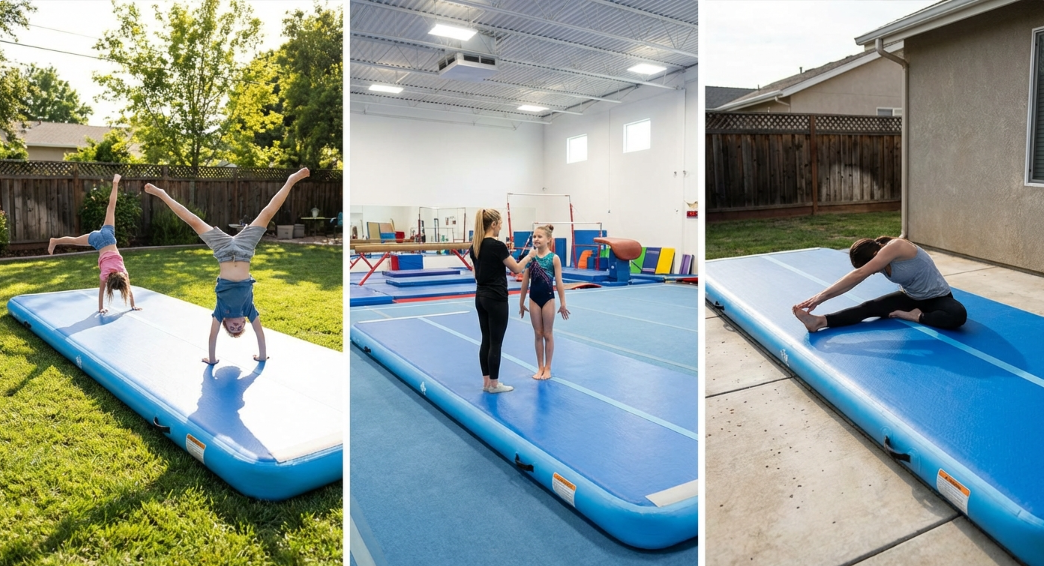
Air tracks have revolutionized training for gymnasts, cheerleaders, and fitness enthusiasts by offering a portable, cushioned surface that adapts to diverse environments. However, one common question persists: Where can you safely use an air track? From backyard grass to gym concrete floors, and even poolside sessions, understanding surface compatibility is key to maximizing your air track’s versatility while ensuring safety and longevity.
This guide dives into the specifics of using air tracks on grass, concrete, and water, addressing concerns like water resistance, puncture risks, and maintenance. Whether you’re practicing outdoors or indoors, we’ll break down how to protect your air track and yourself, no matter the surface.
2. Can Air Tracks Get Wet? Water Resistance & Care
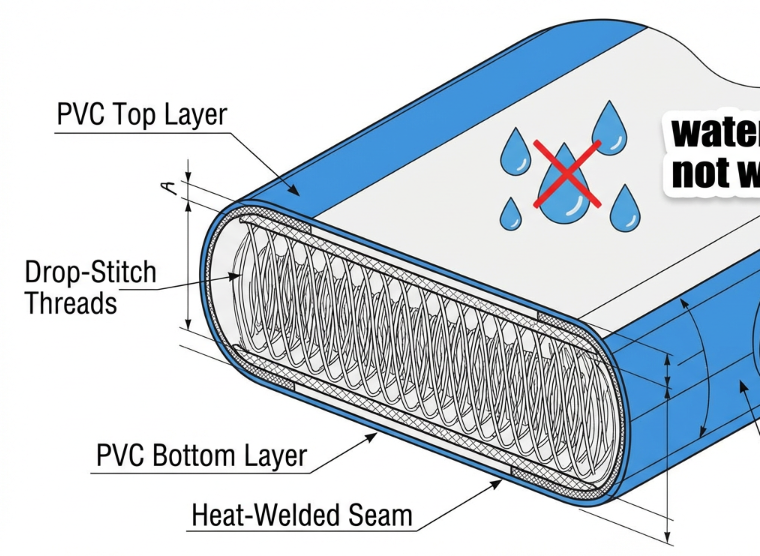
Material Impact: How Air Tracks Handle Moisture
Most air tracks are made from PVC (budget models) or drop-stitch fabric (premium, durable models), both of which are water-resistant but not fully waterproof. Water-resistant materials repel light moisture (e.g., rain, splashes), but prolonged submersion or heavy rain can seep through seams or valves, leading to mildew or damage.
Safe Wet Use Scenarios
- Light Rain or Pool Splashes: Brief exposure is acceptable. Wipe the surface dry immediately after use to prevent water from pooling in crevices.
- Avoid Full Submersion: Standard air tracks are not designed for underwater use. Even “waterproof” models (rare) may fail under pressure, risking leaks or loss of buoyancy.
Maintenance After Wet Use
Key Takeaway: Air tracks can handle light wetness, but proper drying is critical to avoid mildew and extend lifespan.
3. Using Air Tracks on Grass: Setup & Precautions
Grass is a popular outdoor choice, but its natural unevenness and debris pose unique risks. Follow these steps for safe use:
Surface Prep: Clear and Level
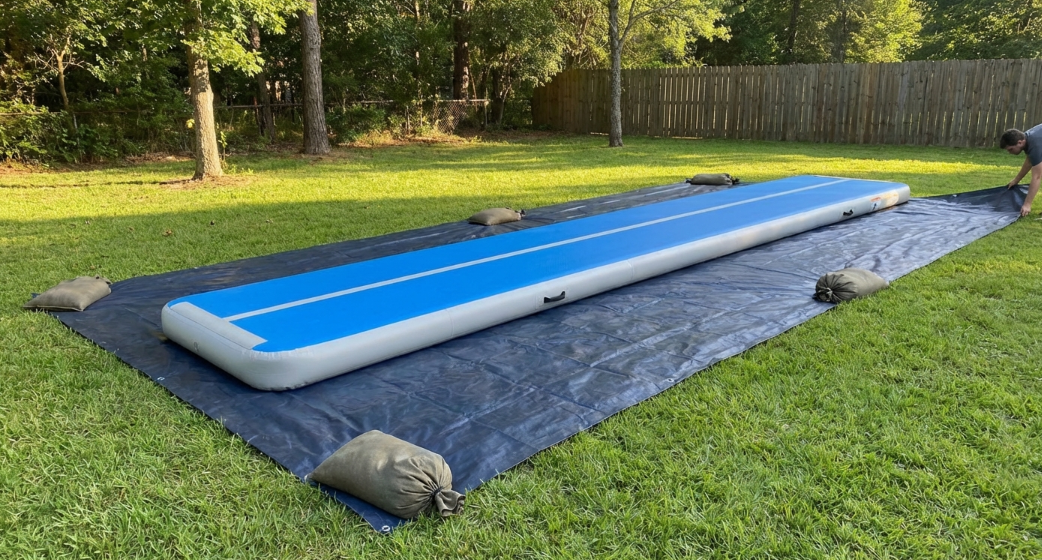
- Remove Debris: Rake away rocks, sticks, acorns, or pet waste—even small objects can puncture the air track.
- Level the Area: Fill in divots or mow tall grass to create a flat surface. Uneven ground can cause the air track to shift during use.
Protection: Shield Against Punctures
- Use a Tarp or Ground Sheet: Lay a thick, durable tarp (6–10 mil thickness) under the air track. This acts as a barrier against grass blades, roots, or hidden rocks.
- Avoid Sharp Edges: If using a tarp, secure it with stakes around the air track (not under it) to prevent the tarp from bunching and creating lumps.
Anchoring: Stay Stable in Wind
Grass surfaces are prone to movement in wind. Secure the air track with:
- Sandbags: Place 2–4 sandbags (10–15 lbs each) along the edges.
- Ground Stakes: Use heavy-duty tent stakes to anchor the tarp and air track corners (if equipped with loops).
Pro Tip: Never leave an air track on grass overnight. Morning dew or rain can soak the surface, and wildlife may damage it.
4. Using Air Tracks on Concrete: Safety & Protection
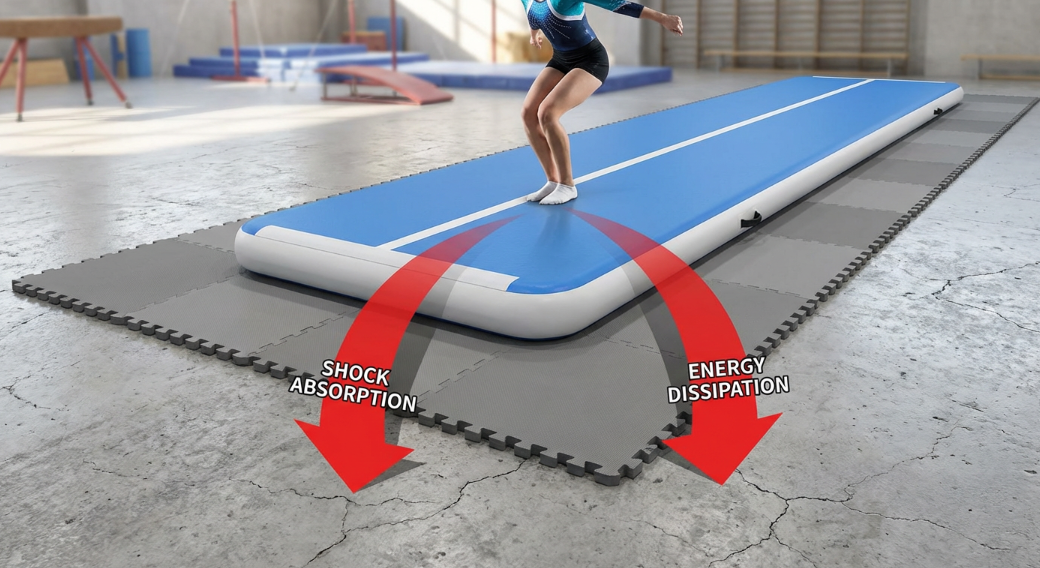
Concrete is hard, unforgiving, and abrasive—without proper care, it can damage your air track and increase injury risk.
Risks of Concrete Surfaces
- Abrasion: Rough concrete can wear down the air track’s bottom surface over time, leading to leaks.
- Impact Hardness: Even with cushioning, concrete amplifies landing force, increasing joint strain.
Underlay Solutions: Add a Buffer
- Foam Mats: Lay 1–2 inch thick EVA foam mats under the air track to absorb shock and protect against abrasion.
- Gym Flooring Tiles: Interlocking rubber tiles (e.g., 2x2 ft) provide durable, non-slip protection for permanent concrete setups (e.g., home gyms).
Pressure Adjustment for Concrete
Reduce inflation pressure to 0.2 bar (lower than the standard 0.2–0.3 bar) to soften the surface. This mimics the give of a grass or gym floor, reducing impact on knees and ankles.
Example: A 10ft x 3ft air track on concrete with a foam underlay and 0.2 bar pressure is safe for back handsprings or cartwheels.
5. Can Air Tracks Go in Pools or on Water?
Waterproof vs. Water-Resistant: Know the Difference
- Standard Air Tracks: Water-resistant (repel splashes) but not waterproof. Seams and valves are not sealed for underwater use, leading to slow air loss.
- Specialized Water Air Tracks: Rare, expensive models (e.g., “aqua air tracks”) are designed for pool use with reinforced seams and waterproof valves. These are niche products, not common for home users.
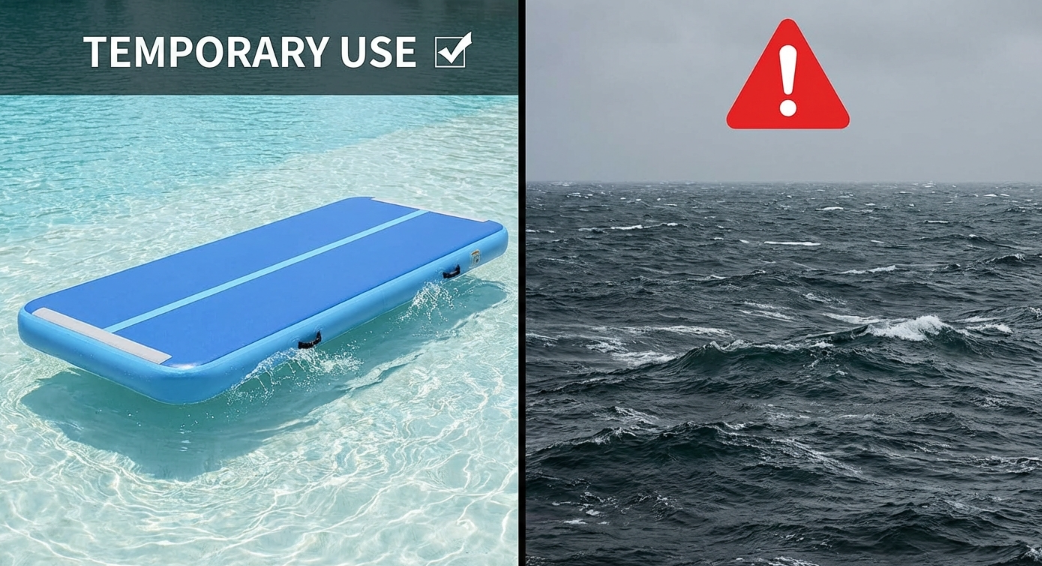
Pool Use: Temporary Workouts Only
If using a standard air track in a pool:
- Limit Time: Keep sessions under 30 minutes to avoid water seeping into valves.
- Shallow Water Only: Stay in 1–2 ft deep water to maintain stability. Deep water increases buoyancy, making flips or tumbles unpredictable.
- Rinse After Use: Chlorine and saltwater (from pools) can degrade PVC over time. Rinse the air track with fresh water and dry thoroughly.
Open Water Risks: Avoid Lakes, Oceans, or Rivers
- Buoyancy Issues: Air tracks float, making them unstable for dynamic moves. Currents or waves can flip the mat, causing injury.
- Hidden Hazards: Rocks, shells, or marine life (e.g., jellyfish) pose puncture or safety risks.
Verdict: Stick to shallow pools for occasional use, and avoid open water entirely.
6. General Safety Tips for All Surfaces
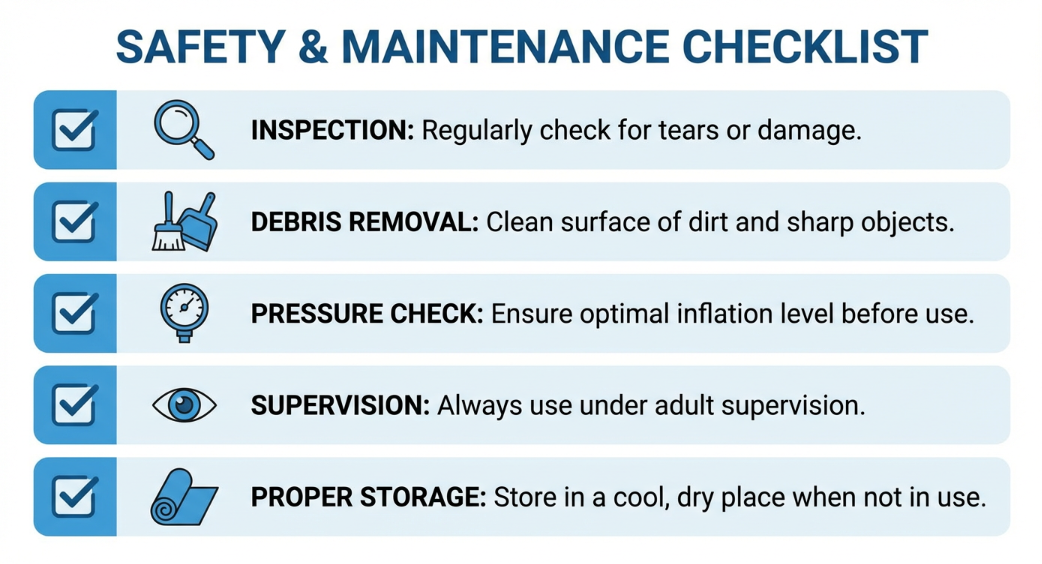
Pre-Use Inspection Checklist
- Air Track Condition: Check for leaks (listen for hissing), loose valves, or frayed seams. Use soapy water to test valves—bubbles indicate leaks.
- Surface Check: Ensure the area is flat, debris-free, and properly protected (tarp for grass, foam for concrete).
- Weight Limits: Never exceed the manufacturer’s weight capacity (typically 200–300 lbs for home models; 500+ lbs for commercial).
During Use: Stay Alert
- Avoid Sharp Objects: Remove jewelry, belts, or shoes that could scratch the surface.
- Supervise Beginners: Children should use the air track with adult supervision, especially on uneven surfaces like grass.
Post-Use Storage
- Deflate Properly: Open both valves to release air fully. Roll the mat tightly to squeeze out residual air, then fold and store in a dry, cool bag.
- Inspect Again: Check for new punctures or damage before storing. Small holes can be repaired with a patch kit (included with most air tracks).
7. Conclusion: Maximizing Air Track Versatility Safely
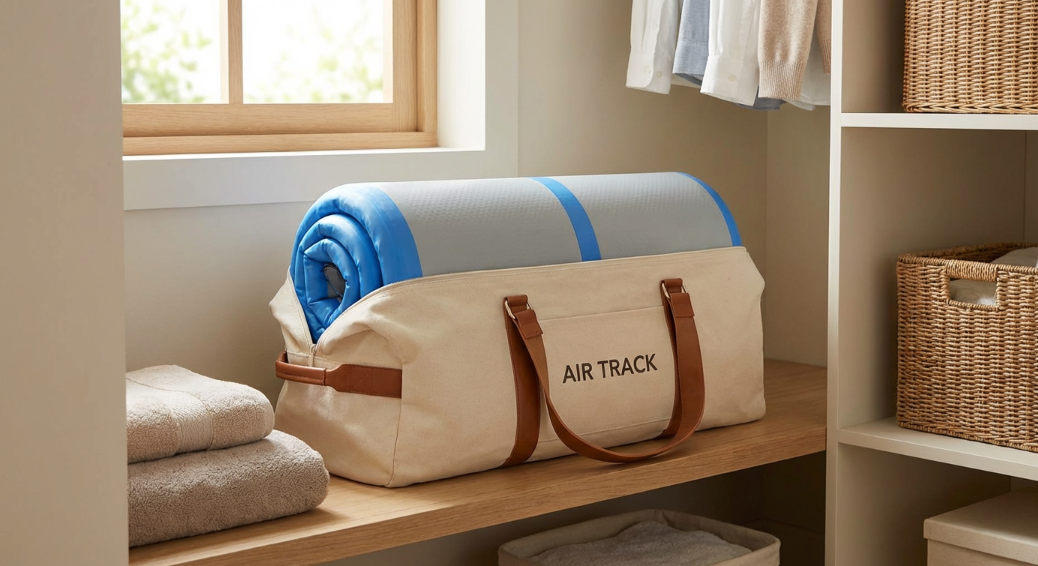
Air tracks thrive on grass, concrete, and even shallow pools—when used with care. By prepping surfaces, using protective barriers, and prioritizing maintenance, you can enjoy their versatility without sacrificing safety or longevity.
Final Advice: Always prioritize protection (tarps, foam underlays) and drying. A well-maintained air track will reward you with years of safe, effective training.
8. FAQs
Q1: Can air tracks stay outdoors on grass overnight?
A: No. Dew, rain, or wildlife (e.g., squirrels, birds) can damage the mat. Always deflate and store indoors after use.
Q2: How to repair grass-related punctures?
A: Use the patch kit included with your air track:
- Clean the puncture area with alcohol.
- Apply adhesive and the patch, pressing firmly for 24 hours.
- Reinforce with extra adhesive around the edges for large holes.
Q3: Are there air tracks designed for permanent water use?
A: Yes, but they’re specialized (e.g., “aqua air tracks”) and costly. Most home users don’t need them—stick to temporary pool use with standard models.


