Inflatable gymnastics mats have revolutionized modern training—lightweight, portable, and adaptable to home gyms, studios, and even water use. But with their rise in popularity come critical questions: Are they truly safe? Why do they cost more than traditional mats? What if I need a budget-friendly alternative?
This guide answers these concerns head-on. Whether you’re a pro gymnast, a coach, or a parent, you’ll gain clarity on safety, cost, and how inflatable mats stack up against traditional options—so you can train with confidence.
Safety starts with quality materials. Top inflatable mats use TPU (thermoplastic polyurethane) or reinforced PVC—durable, puncture-resistant, and built for high-impact routines. Look for certifications to guarantee compliance:
| Certification | Region | What It Means |
|---|---|---|
| CE | Europe | Meets strict EU safety and durability standards. |
| ASTM | USA | Validates impact absorption and material strength. |
Confused by “air mat” vs. “traditional mat”? Here’s how they differ:
| Term | Description | Best For |
|---|---|---|
| Air Mat/Air Track | Inflatable, lightweight, adjustable firmness. | Home gyms, travel, or group backyard use. |
| Traditional Mat | Foam/rubber, heavy, fixed density. | Studio floors or permanent installations. |
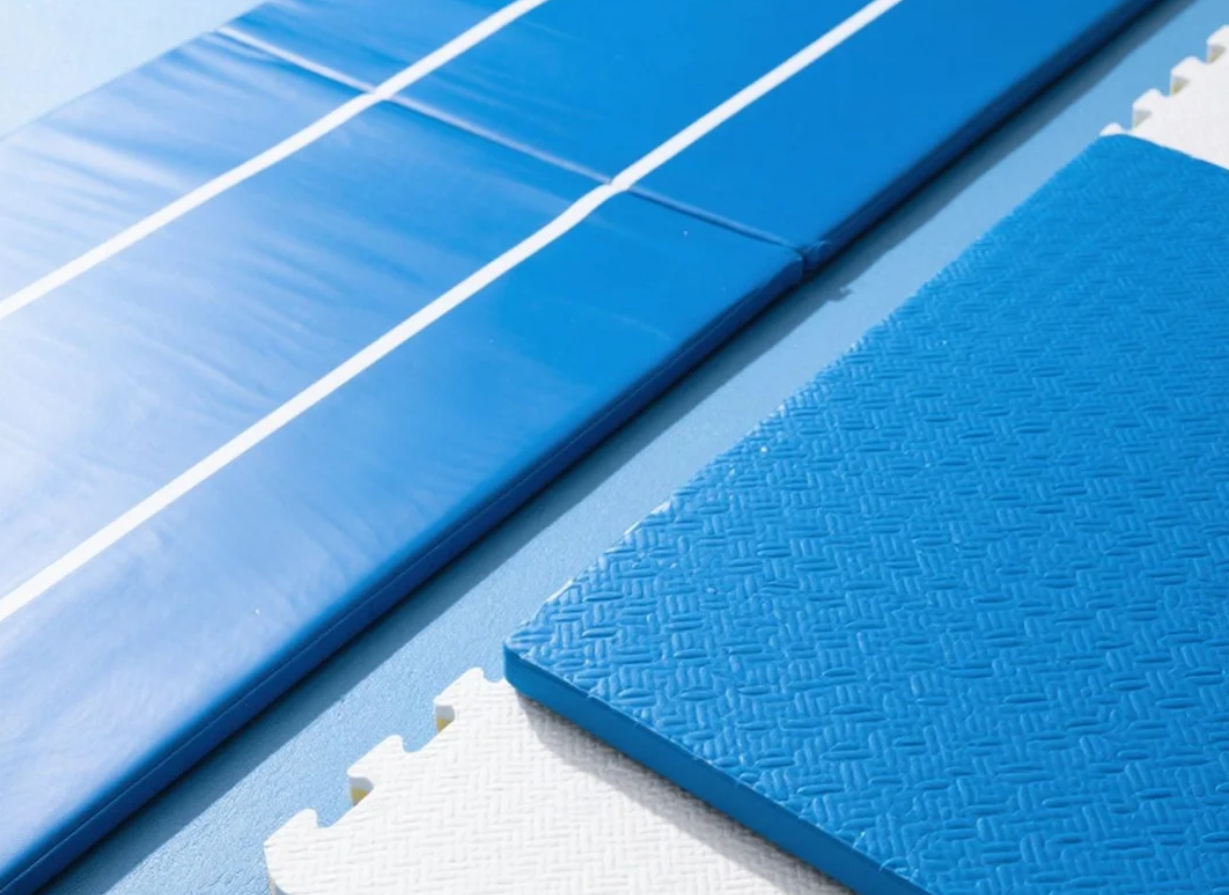
If inflatable mats stretch your budget, these options work for basic routines:
| Product Type | Price Range | Feature Description |
|---|---|---|
| Foam Tumbling Mats | $100–$300 | Bulky but durable for home use—ideal for beginners practicing rolls or stretches. |
| Thick Yoga Mats | $50–$100 | Lightweight and portable, but best for low-impact moves (no flips!). |
| Puzzle Foam Tiles | $20–$50 per pack | Interlocking tiles for small spaces—great for kids’ play or light training. |
The cost of tumbling mats, especially inflatable ones, can be attributed to several factors:
| Category | Details |
|---|---|
| Premium Materials | TPU/PVC is expensive but ensures longevity—high-quality air tracks last 3–5 years (vs. 1–2 years for foam mats). |
| R&D & Certifications | Brands invest in safety testing (drop tests, stress analysis) and certifications (CE, ASTM), adding to production costs. |
| Portability Features | Standalone pumps, carry bags, and compact designs make air tracks easy to transport—features that add value (and cost). |
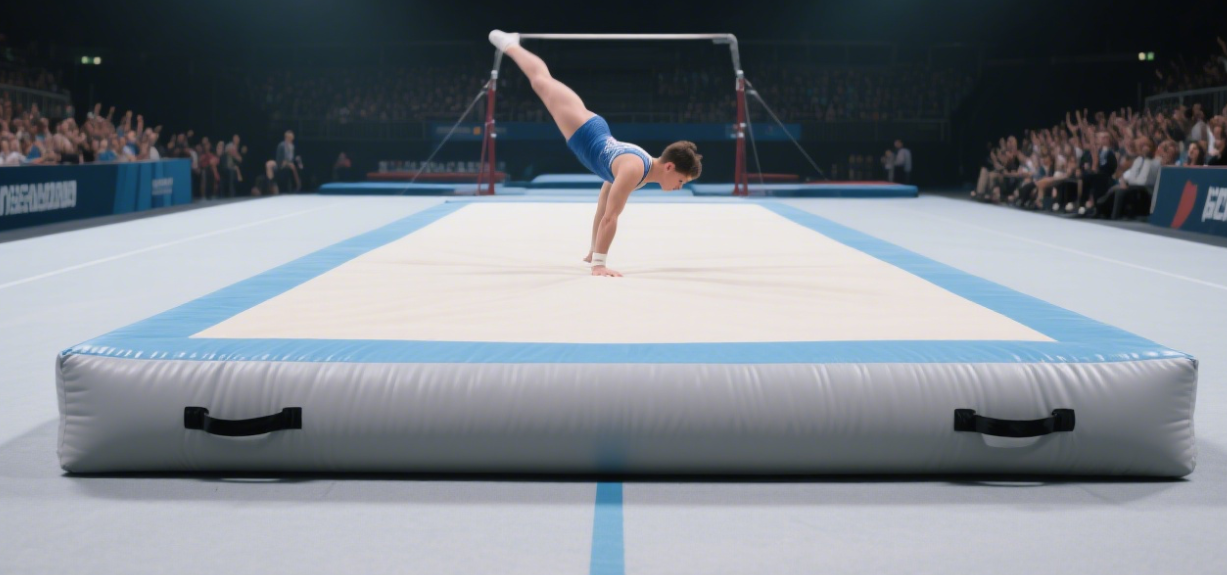
The choice between an air mat and a traditional gymnastics mat depends on your specific requirements:
| Feature | Air Mat | Traditional Mat |
|---|---|---|
| Portability | Rolls into a duffel bag—travel-ready. | Heavy, needs dedicated storage. |
| Comfort | Adjustable firmness (soft for beginners, firm for pros). | Fixed density—one-size-fits-all. |
| Durability | 3–5 years with care. | 1–2 years (foam compresses over time). |
| Cost | $200–$800 | $100–$500 |
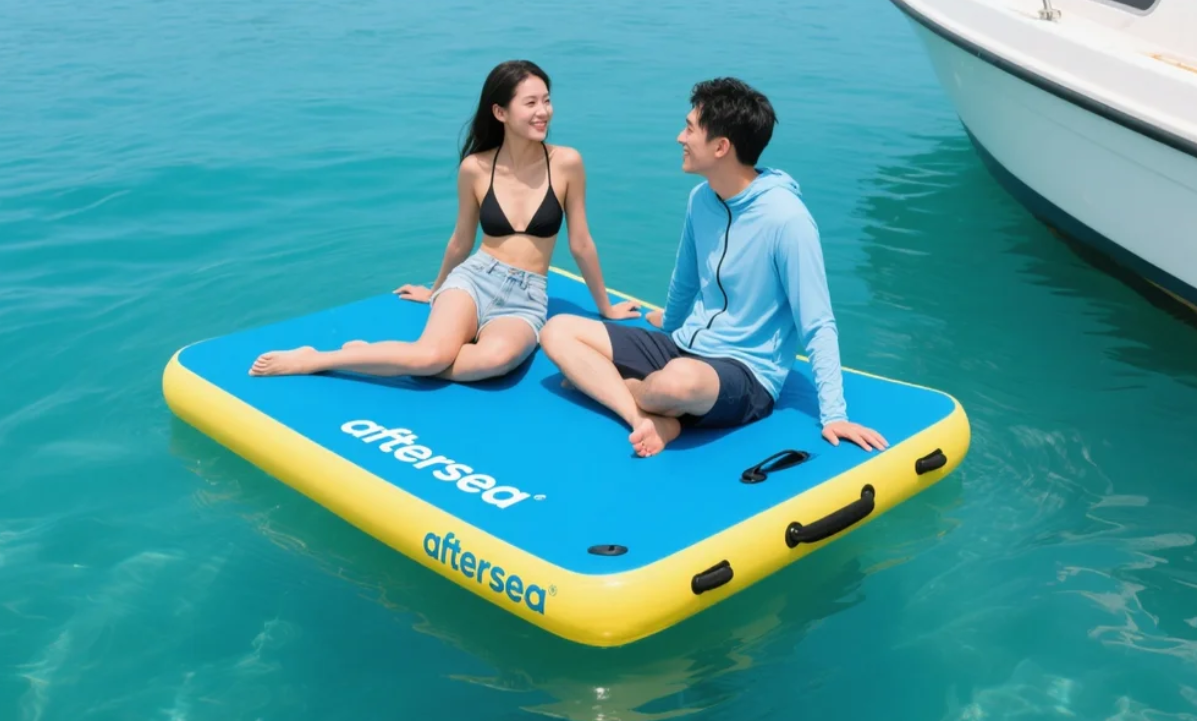
Floating inflatable mats are safe if used correctly:
| Category | Recommendation |
|---|---|
| Stability First | Opt for textured surfaces to prevent slips, and never exceed the weight limit (overcrowding risks tipping). |
| Anchoring | In open water, secure the mat with ropes or anchors to avoid drifting in currents. |
| Material Matters | Choose UV-resistant PVC to prevent sun damage—this extends the mat’s lifespan. |
Inflatable gymnastics mats offer a blend of safety, versatility, and portability that makes them a great choice for modern gymnastics training. While they may be more expensive than traditional mats, their long - lasting nature, adjustable firmness, and ease of transportation can justify the cost, especially for frequent users. If budget is a concern, there are affordable alternatives available for basic training. When considering any gymnastics mat, safety should be your top priority. By understanding the differences between inflatable and traditional mats, as well as the safety aspects and cost factors, you can make an informed decision that suits your training needs. So, whether you're a professional gymnast or a beginner, explore the world of inflatable gymnastics mats and take your training to new heights. Ready to level up? Explore trusted inflatable gymnastics mats today!


![What Is an Air Track in Gymnastics? [Complete Guide]](http://ueeshop.ly200-cdn.com/u_file/UPBF/UPBF509/2605/13/photo/WhatIsanAirTrackinGymnastics.png)


